What does a Fintech really mean?

-
November 17, 2023
-
0 Comments
The term "Fintech" has gained significant traction, becoming a buzzword in the financial industry.
Fintech, short for financial technology, refers to the innovative use of technology to deliver financial services and products in a more efficient, convenient, and customer-centric manner. Fintech, as a disruptive force, has emerged to challenge the traditional banking model, offering a range of services that cater to the evolving needs of consumers and businesses alike. This article aims to delve deeper into what fintech truly means, its impact on the financial landscape, and how it is revolutionizing traditional banking and finance.
Understanding Fintech
At its core, fintech encompasses a wide range of technological innovations that aim to enhance financial activities. These can include mobile banking applications, digital payment systems, peer-to-peer lending platforms, robo-advisors, blockchain technology, and much more. Fintech companies leverage these technologies to streamline processes, reduce costs, improve accessibility, and provide personalized financial solutions.
The Impact of Fintech
These are the impact of Fintech on the society.
Enhanced Convenience
Fintech has revolutionized the way we manage our finances by offering 24/7 access to banking services through smartphones and other digital devices. Customers can perform transactions, check balances, and even apply for loans without stepping foot inside a physical bank branch.
Financial Inclusion
Fintech has played a vital role in bridging the gap between the unbanked and the traditional banking system. By leveraging mobile technology, fintech companies provide financial services to underserved populations, enabling them to save, invest, and access credit facilities.
Disintermediation
Fintech has disrupted the traditional intermediaries in the financial ecosystem. Peer-to-peer lending platforms and crowdfunding websites directly connect borrowers with lenders, eliminating the need for traditional banks as intermediaries. This has democratized access to capital for individuals and small businesses.
Personalized Solutions
Fintech companies harness the power of data analytics and artificial intelligence to offer personalized financial solutions. By analyzing customer behavior and preferences, they can provide tailored recommendations and financial advice, empowering individuals to make informed decisions.
Security and Trust
Fintech emphasizes robust security measures to protect sensitive financial data. Technologies such as biometrics, encryption, and blockchain ensure secure transactions and build trust among users.
Challenges and Future Outlook of the Fintech Industry
Despite its numerous benefits, fintech faces its fair share of challenges. Regulatory frameworks, data privacy concerns, cybersecurity threats, and the potential for increased financial inequality are some of the areas that require attention. However, with the growing demand for innovative financial services and the continued integration of technology into our lives, the future of fintech appears promising.
List of Fintech Companies In Nigeria
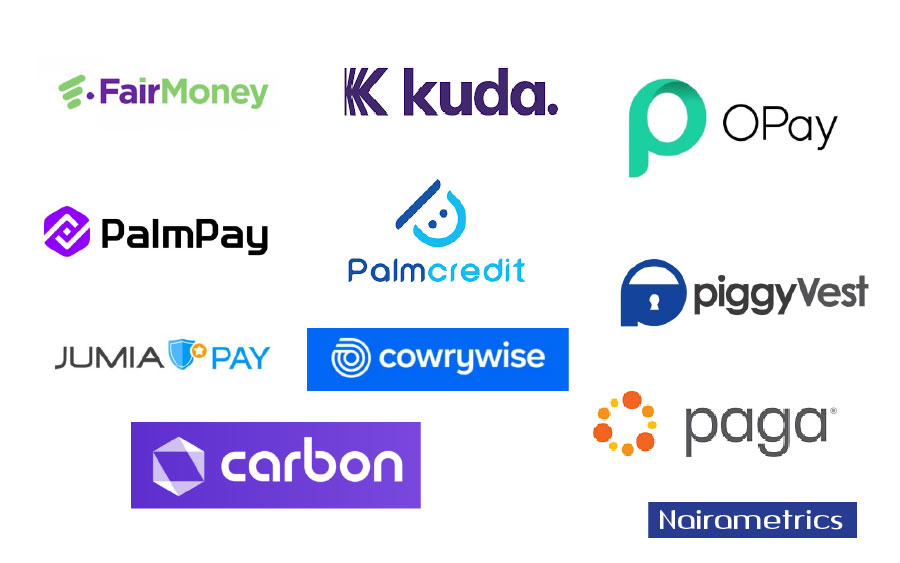
These 10 companies are the most popular Fintech Companies In Nigeria.
Kuda Bank
Paystack
Flutterwave
Piggyvest
Interswitch
E-tranzact
Remita
Carbon Paylater
Accelerex
Paga
Career Opportunities Available in Fintech Companies
Fintech companies offer a wide range of opportunities for professionals looking to work in the intersection of finance and technology. Here are some of the key opportunities available in the fintech industry:
Software Development and Engineering
Fintech companies heavily rely on software and technology to develop innovative financial solutions. Opportunities exist for software developers, engineers, and programmers to design and build cutting-edge applications, platforms, and systems that power various fintech services.
Data Analytics and Data Science
Fintech companies deal with vast amounts of financial data. Professionals with expertise in data analytics and data science play a crucial role in extracting insights, identifying patterns, and developing predictive models to enhance decision-making, risk assessment, and customer experience.
Cybersecurity and Risk Management
As fintech companies handle sensitive financial information, ensuring robust cybersecurity measures is of paramount importance. Opportunities exist for cybersecurity experts and risk management professionals to protect systems, detect and mitigate threats, and ensure compliance with regulatory requirements.
Product Management and UX/UI Design
Fintech companies focus on creating user-friendly and intuitive financial products and services. Product managers and UX/UI designers collaborate to understand user needs, conduct market research, and develop innovative solutions that provide seamless user experiences.
Digital Marketing and Customer Acquisition
Fintech companies need skilled professionals to drive customer acquisition and engagement. Digital marketing specialists, growth hackers, and customer acquisition managers play a vital role in developing marketing strategies, optimizing digital channels, and attracting and retaining customers.
Compliance and Regulatory Affairs
Fintech companies operate in a highly regulated environment. Professionals with expertise in compliance and regulatory affairs ensure that fintech services adhere to legal and regulatory frameworks. They monitor changes in regulations, implement compliance programs, and ensure the company's operations are in line with industry standards.
Business Development and Partnerships
Fintech companies often seek opportunities for collaboration and partnerships with other financial institutions, technology providers, and strategic partners. Business development managers identify potential partnerships, negotiate agreements, and drive growth by expanding the company's reach and customer base.
Financial Advisory and Wealth Management
Fintech companies are disrupting traditional wealth management and financial advisory services. Professionals with expertise in financial planning, investment management, and wealth advisory can find opportunities in fintech companies that offer robo-advisory platforms and automated portfolio management services.
Blockchain and Cryptocurrency
The rise of blockchain technology and cryptocurrencies has opened up new opportunities in the fintech industry. Professionals with knowledge of blockchain development, smart contracts, and cryptocurrency trading can explore roles in fintech companies that specialize in decentralized finance (DeFi) and digital asset management.
Consulting and Advisory Services
Fintech consulting firms provide strategic guidance and advisory services to financial institutions and fintech startups. Professionals with expertise in finance, technology, and business strategy can work as consultants, helping clients navigate the fintech landscape, develop digital transformation strategies, and optimize their operations.
It's important to note that the specific opportunities available in fintech companies may vary depending on the company's focus, size, and stage of development.
If you found this article informative and helpful, log on to Hubforjobs.com for more. Click here Hubforjobs
You can also connect with Hubforjobs on all their social media handles for more regular job updates.
Facebook: @Hubforjobsofficial
Instagram:@hubforjobs
Twitter: @hubforjobs
LinkedIn: @HubForJobs
Telegram: Hubforjobs
Nigerian Law School increases school fee by almost 200%
Paystack plans to lay off 33 of its employees
Recent Post
-
-
 WorkFlowsHR: the best HR software in Nigeria July 25, 2024
 -
-