Job Description of an Orthopedic Surgeon
-
July 27, 2023
-
0 Comments
The health industry is filled with several talents and one of them is the orthopaedic surgeon. Orthopaedic already sounds like a big word and we are certain you are trying to fix a meaning to it. We got you! Keep reading.
Who is an Orthopaedic Surgeon?
An orthopedic surgeon is a medical professional who is responsible for diagnosing, treating, and managing musculoskeletal conditions and injuries surgically. The musculoskeletal system consists of the bones, joints, ligaments, tendons, muscles, and other structures that aid easy mobility of the entire body. Orthopedic surgeons are not ordinary doctors, they undergo rigorous practical training sessions after medical school. These training sessions help them to gain expertise in various orthopedic sub-specialties that we will discuss later on in this article.
What is the Job of an Orthopaedic Surgeon?
The job of an orthopedic surgeon is a lot and will be broken down into different core responsibilities. So, if you are wondering what type of tasks they carry out, here you go:
Diagnosis
Before any form of treatment, an orthopedic surgeon performs a physical examination, orders and interprets diagnostic tests, and even takes medical histories to get what the cause of the ailment is. For every musculoskeletal condition, the first line of action is to accurately diagnose the condition to be sure of the measure of approach to employ.
Treatment Planning
Treatment planning only comes into the picture when the orthopedic surgeon is sure of what the problem is. Hence, based on the diagnosis, the surgeon begins to put treatment into place one after the other, strictly tailoring it to the needs and condition of the patient. Also, the orthopedic surgeon educates the patient and their family about the different treatment options available, making them understand the potential benefits and risks associated with each option.
Pre-Surgical Management
Before deciding on surgery, orthopedic surgeons try non-surgical treatments which may include exercises, physical therapy, medications, bracing, and every other mindful method that will reduce pain and inflammation but will improve the function of the skeletal system.
Surgery
Orthopedic surgeons, having seen that non-surgical methods prove insufficient or inappropriate for a particular condition, recommend surgery. According to the diagnosis, they perform different types of surgeries which include hip replacement, joint replacement, fracture fixation, ligament repair, arthroscopy, spine surgery, and more.
Preoperative Evaluation
Just like several people can react to medications differently, it is the same with surgeries. Considering this, before embarking on the surgery, orthopedic surgeons conduct a thorough preoperative evaluation to be certain that the patient is fit to undergo the surgical procedure. This process may include taking samples from the patient and testing them to assess the patient's health. Results from this test help them to make final decisions on the surgery.
Surgery Procedures
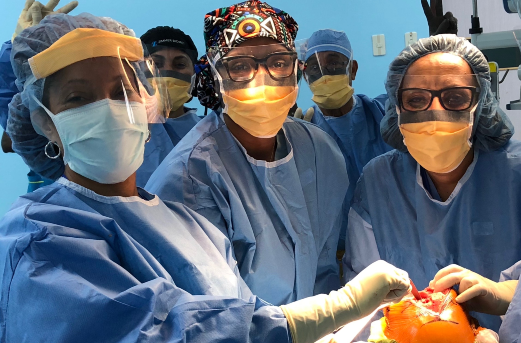
If all has been put in place, there is no need for delay. Orthopedic surgeons get to work, using all of their skills and tools to perform surgery procedures on the patient. Usually, the process takes from a few hours to very long depending on the condition of the patient. Also, orthopedic surgeons do not work alone; they are assisted by a team of nurses and surgical assistants who make sure that the procedure is successful.
Post-surgery care
Proper care starts after the surgery; orthopedic surgeons supervise the post-operative care and rehabilitation of their patients. They monitor and take note of the healing progress, manage pains, prescribe physical therapy, and recommend physiotherapists.
Patient Communication
Along the line of recovery, orthopedic surgeons reach out to patients to know how fast they are recovering and also give them tips to recover even faster. Also, they go over the medical condition again and again to make sure that the family members are well-informed and can help the patient recuperate easily.
Subspecialties of Orthopaedic Surgeons
When Orthopaedic surgeons pursue subspecialties, it helps them to focus their training on a particular area and also helps them gain in-depth knowledge about the area they are choosing. These subspecialties include:
Joint replacement surgery: specializes in replacing damaged hips, knees, shoulders, and other body joints.
Sports medicine: focuses on treating sport-related injuries and conditions which could be repetitive stress injuries, fractures, and torn ligaments.
Paediatric orthopedic: The joints of children are considered too soft. Hence, the need for an orthopedic surgeon who deals with musculoskeletal conditions and injuries in children and adolescents.
Trauma Surgery: Deals with breaks and fractures mostly caused by accidents or falls.
Hand Surgery: Concentrates on conditions affecting the hand, wrist, arms, and forearms.
Spine surgery: Treats spinal conditions and disorders which include spinal deformities and herniated discs.
Foot/ankle surgery: Handles conditions like ankle instability, bunions, elephantiasis, and ankle fracture.
Skills required to be an Orthopaedic Surgeon
Surgical skills
Clinical documentation
Diagnostic Expertise
Operating room procedures
Anaesthesia
Emergency procedures
Decision making
Problem-solving
Stress management
Leadership skills
Communication skills
Patient care
Infection control
Tools you should be familiar with as an Orthopaedic Surgeon
CT scanners
X-ray machines
Oscillating saws
Probes
Shapers
Graspers
Cutters
Reamers
Bone Rasps
Bone plates and screws
Bone implants
Top 5 Highest Paying Fintech Jobs in Nigeria
Average Salary of an Orthopaedic Surgeon in Nigeria
Recent Post
-
-
 WorkFlowsHR: the best HR software in Nigeria July 25, 2024
 -
-