10 Jobs You Can Do As A Photographer
-
June 13, 2023
-
0 Comments
Are you interested in a photography career or a professional photographer? this post is for you. If you are also looking for a photography job, we believe this post will be quite helpful as there are numerous job alternatives available to you. You can choose the professional route that is best for you as this article will make you aware of the many photography specialties.
Who Is A Photographer
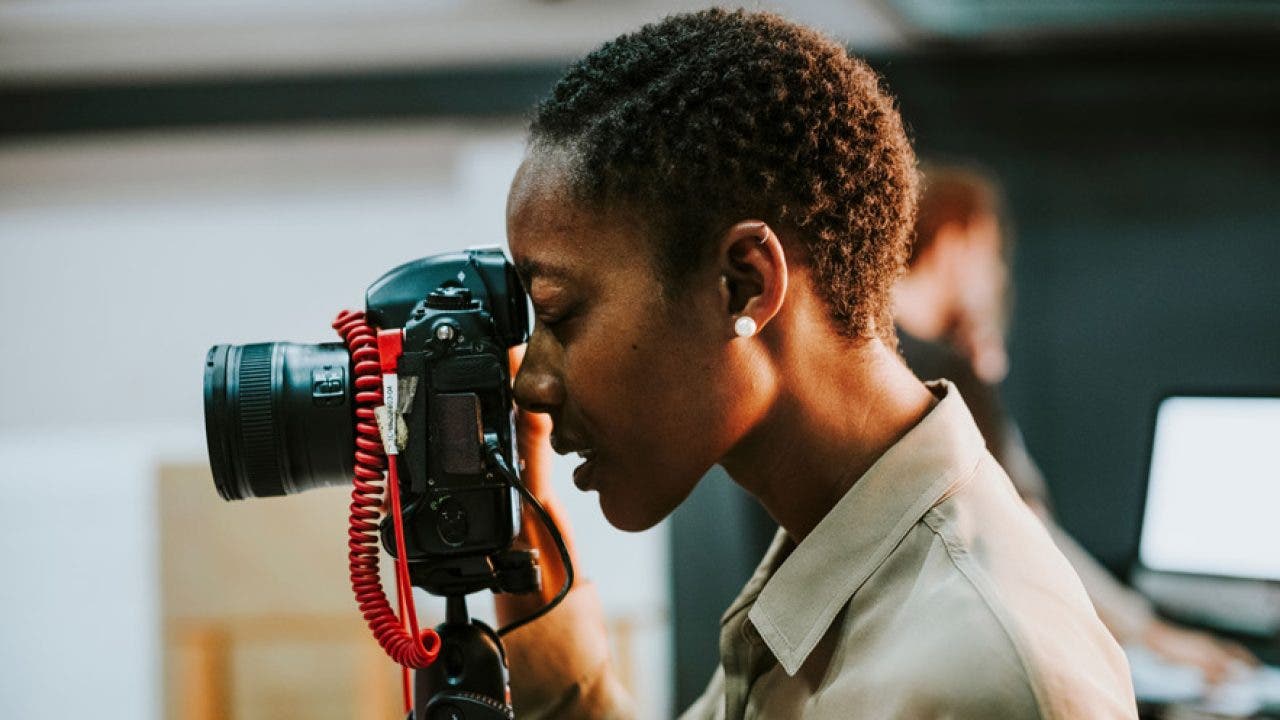
These are visual art professionals that use either a digital or film camera to capture images or photographs. Whether they are photographing people, landscapes, or objects, they employ both artificial and natural light to get the correct shot. Depending on your specific specialization, you have the opportunity to work as a photographer in a range of environments.
10 Jobs You Can Do As A Photographer
You can focus on a specific area of photography to narrow your attention. Consider the following photography jobs if you're interested in pursuing a photography career:
Portrait photography
Through the use of appropriate lighting and backgrounds, portrait photographers seek to convey a person's personality. They might photograph a child on their first day of school or shoot headshots of staff members of a business to post on the website. They schedule appointments, send invoices to their clients, and process images in addition to shooting pictures. Both on-location and studio work are options for portrait photographers. Additionally, they either work for a company or are self-employed.
Commercial Photography
The purpose of commercial photography is to promote the goods or services of a client. Buildings, products, or staff members of a business can all be captured on camera by commercial photographers.
Photojournalism
Photojournalists also referred to as news photographers, capture images of people and events for use in newspapers or magazines that cover current events. They might cover judicial cases, political rallies, sporting events, or regional and international occasions. Through their photos, photojournalists assist the public learn about breaking events and tell a story. They frequently work for newspapers as freelancers or staff members since they are good storytellers.
Scientific Photography
Photographs taken by scientists are used in tests, to demonstrate technical concepts, for record-keeping, or to depict details that are invisible to the naked eye. Scientific photographers frequently work for a government organization or in a research center.
Architectural photography
Buildings are photographed by architectural photographers. Whether they are employed by an architectural firm or work independently, they strive to capture the spirit and shape of the entire structure. Architectural photographers capture a building's interior and exterior while highlighting minute features that highlight the structure's distinctive design. They employ several strategies to help prevent distortion and make sure their photographs catch the proper perspective and angles.
Wedding/Event Photography
Wedding ceremonies and receptions are documented by wedding photographers. Wedding photographers don't just take pictures; they also use their expertise in event photography to capture different environments and populations. As a wedding photographer, you frequently don't have the opportunity to replicate a shot, unlike in other types of photography. You must therefore navigate the reception and wedding ceremony while moving rapidly and thinking quickly. You also need to adjust to shifting weather and lighting conditions.
So also, event photographers work in a fast-paced manner shooting pictures in various environments, such as a live performance or business event. When photographing at diverse events, they frequently combine their photojournalistic and portraiture skills. Some businesses use the event images for marketing and PR, while others use them as souvenirs.
Still-life Photography
Photographers that specialize in still lifes photograph inanimate objects. In essence, they incorporate photography into the still-life aesthetic movement. Photographers who specialize in still life often employ everyday objects like vases, fruits, and flowers in their images.
Freelance Photography
Photographers who work for themselves as independent contractors do not work for a studio, business, or publication. Depending on your availability, you can work as a freelance photographer in a range of businesses. Although compared to other photographers, freelance photographers don't have a consistent income, this form of profession allows you to work in a variety of settings, guaranteeing you never grow bored.
Fashion Photography
Fashion models are photographed wearing the newest trends and fashions. You may photograph models walking down the runway or take cover photos for fashion magazines with this employment. Fashion photographers can operate in a studio or on location, among other places. In addition to capturing fashion pictures, they assist models in striking the appropriate position. To achieve the best shot for the publication, they also direct the models and their assistance.
Travel Photography
You get paid as a travel photographer to visit interesting places and take pictures of what you encounter. You can combine several photographic styles with this kind of photography. You may take pictures of the people and their way of life, the places you go, the cuisine you consume, or the wildlife you see, for instance. You have the chance to take your audience across the world without the need for luggage or a passport, whether you choose to picture a tropical beach or the icebergs in Antarctica.
Essential Equipment for Photographers
As a seasoned professional or an aspiring enthusiast, having the essential equipment is crucial for achieving your creative vision in photography. In this guide, Here are the must-have gear for photographers across various genres and skill levels.
Camera
At the heart of every photographer's toolkit is a reliable camera. Whether you prefer a DSLR (Digital Single-Lens Reflex), mirrorless, or compact camera, choosing a model that suits your shooting style and budget is paramount. Look for features such as sensor size, resolution, autofocus capabilities, and low-light performance to ensure optimal image quality.
Lenses
Lenses are the eyes of your camera, allowing you to capture scenes from different perspectives and focal lengths. Invest in a versatile selection of lenses, including a wide-angle lens for landscapes and architecture, a standard zoom lens for everyday shooting, and a telephoto lens for capturing distant subjects. Prime lenses with fixed focal lengths offer superior image quality and are ideal for portraits and low-light photography.
Tripod
A sturdy tripod is essential for achieving sharp images, especially in low light or long-exposure situations. Look for a tripod made from durable materials such as aluminum or carbon fiber, with adjustable legs and a stable head that can support the weight of your camera and lens. A tripod also enables precise composition and allows for creative techniques such as long exposures and panoramic stitching.
Camera Bag
Protecting your gear while on the go is essential for every photographer. Invest in a well-padded camera bag or backpack with compartments for organizing your camera body, lenses, accessories, and personal belongings. Look for features such as weatherproofing, adjustable dividers, and comfortable shoulder straps for maximum convenience and protection.
Memory Cards
Memory cards are essential for storing your images and videos. Invest in high-quality SD, CF, or XQD cards with ample storage capacity and fast read/write speeds to ensure smooth shooting and reliable performance. Consider carrying multiple cards to avoid running out of space during extended shoots or travel assignments.
External Flash or Speedlight
While natural light is often preferred, having an external flash or speedlight can be invaluable for illuminating subjects in low-light conditions or adding fill light to counter harsh shadows. Look for a flash with adjustable power settings, a tilting/swiveling head for versatile lighting angles, and compatibility with your camera's TTL (Through The Lens) metering system for accurate exposure.
Filters
Filters are essential accessories for enhancing your images and protecting your lenses. Invest in a UV filter to reduce haze and protect your lens from dust and scratches, a polarizing filter for reducing reflections and enhancing contrast in landscapes, and a neutral density (ND) filter for controlling exposure in bright conditions or achieving long exposure effects.
Remote Shutter Release
A remote shutter release allows you to trigger your camera's shutter without touching it, minimizing the risk of camera shake and ensuring sharp images, especially during long exposures or self-portraits. Choose between wired or wireless remote releases, depending on your preference and shooting style.
Cleaning Kit
Keeping your gear clean and well-maintained is essential for optimal performance and longevity. Invest in a cleaning kit containing a blower brush, microfiber cloths, sensor swabs, and lens cleaning solution to remove dust, fingerprints, and smudges from your camera body, lenses, and sensor.
Laptop or Computer
A reliable laptop or computer is essential for processing and editing your images. Choose a model with sufficient processing power, RAM, and storage capacity to handle your workflow efficiently. Install editing software such as Adobe Lightroom or Photoshop for post-processing and retouching tasks, and invest in an external hard drive or cloud storage for backing up your files.
Whether you're capturing landscapes, portraits, wildlife, or events, investing in high-quality cameras, lenses, and accessories will enable you to unleash your creativity and capture stunning images that resonate with viewers. So, gear up, get out there, and let your imagination take flight through the lens of your camera.
If you found this article informative and helpful, log on to Hubforjobs.com for more. Click here Hubforjobs
You can also connect with Hubforjobs on all their social media handles for more regular job updates.
Facebook: @Hubforjobsofficial
Instagram:@hubforjobs
Twitter: @hubforjobs
LinkedIn: @HubForJobs
Telegram: Hubforjobs
Who Is A Paralegal
Top Paying Construction Jobs
Recent Post
-
-
 WorkFlowsHR: the best HR software in Nigeria July 25, 2024
 -
-