You can take these simple steps to manage risk in your business
-
November 17, 2023
-
0 Comments
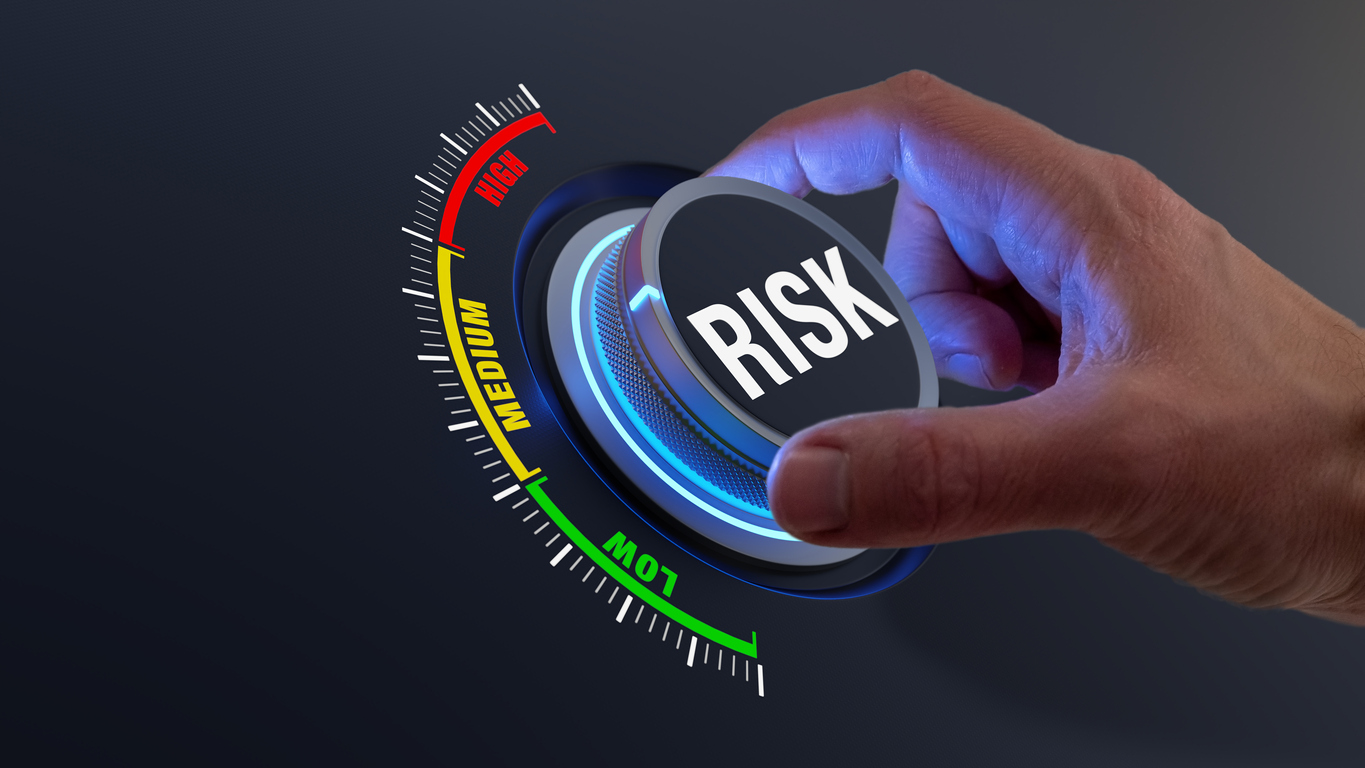
Risk management is the process of identifying, assessing, and prioritizing potential risks or uncertainties that may affect an organization or project. In any organization or enterprise, risk management involves addressing any change that occurs in the business. it acts as a guide for decision-making in terms of hazard opportunities And involves implementing strategies and measures to mitigate, monitor, and control these risks, minimizing their impact and preventing any potential losses or negative consequences.
The goal of risk management is to ensure the organization or project can achieve its objectives while effectively managing potential risks. Let's dive into the Types of risk that might affect a business.
Types of Risk in Business
These are the types of risks you need to avoid in your business.
Environmental Risk
This involves all kinds of damages that can be done to the business that are out of the control of human beings, they are often called natural disasters. These environmental risks may include storms, wildfires, floods, and pandemics.
Technological or Operational Risk
This includes anything that can hinder the operation of the company like cyber attacks, power outages, machine breakdowns, and the like are considered operational risks.
Human/Personnel Risk
The staff of the enterprise might expose the company to danger sometimes through embezzlement, fraud, or other destructive habits that humans possess that are not healthy for business.
Strategic Risks
Negligence or ignorance sometimes might be a problem in business management. The inability to quickly and strategically respond to changes in a business environment can lead to losing your competitive edge in business.
Financial Risk
The way a business handles its financial assets can expose the business to risks, some of the decision-making includes liquefaction of solid assets, exchange of foreign currency, and so on.
Here are some steps you can engage in to manage risk in your business.

Identify the Risk
The first step in risk management is to identify all potential risks that may impact the project or organization. This can be done through brainstorming sessions, historical data analysis, and expert opinions.
Assess the Risks
After identifying the risks, the next step is to assess the likelihood and potential impact of each risk. This can be done using qualitative or quantitative risk analysis techniques. The aim is to prioritize risks based on their significance and potential consequences.
Plan for Risk Mitigation
Once the risks have been assessed, a risk management plan should be developed to outline how each risk will be addressed. This plan should include specific strategies and actions to minimize or eliminate the risks identified.
Implement Risk Mitigation Measures
The risk management plan should be executed by implementing the identified risk mitigation measures. This may involve implementing control measures, establishing contingency plans, or transferring the risk to a third party through insurance or contracts.
Monitor and Review Risks
Risk management is an ongoing process, and it is important to continually monitor and review the risks throughout the project or organizational lifecycle. This involves regularly assessing the effectiveness of the risk mitigation measures and making adjustments as necessary.
Communicate and Document
Effective communication is essential in risk management. All stakeholders should be kept informed about the identified risks, mitigation measures, and any changes or updates to the risk management plan. Additionally, it is important to document all risk management activities and decisions for future reference and evaluation.
If you found this article informative and helpful, log on to Hubforjobs.com for more. Click here Hubforjobs
You can also connect with Hubforjobs on all their social media handles for more regular job updates.
Facebook: @Hubforjobsofficial
Instagram:@hubforjobs
Twitter: @hubforjobs
LinkedIn: @HubForJobs
Telegram: Hubforjobs
Who is an Affiliate Marketer
These Key Ideas will Help you If you are Looking to make Social Impact
Recent Post
-
-
 WorkFlowsHR: the best HR software in Nigeria July 25, 2024
 -
-