Who can be part of an editorial team?

-
November 20, 2023
-
0 Comments
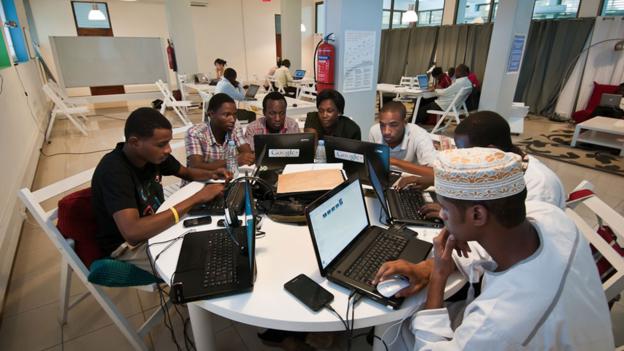
Behind every successful publication, there is an editorial team working diligently to ensure the quality, coherence, and accuracy of content. The editorial team consists of professionals who collaborate to shape and refine written materials, be it in print or digital media. From editors and copy editors who ensure accuracy and clarity to content strategists who develop comprehensive plans, each member plays a vital role in creating compelling and polished publications. By combining their unique skills and expertise, the editorial team brings together the best of writing, editing, design, and strategy, resulting in high-quality content that captivates and informs readers.
In this article, we will explore the diverse roles and contributions of individuals who can be part of an editorial team.
Who can be part of an editorial team
Editors
Editors are the linchpins of the editorial team, responsible for overseeing the entire editorial process. They possess a keen eye for detail, impeccable language skills, and a strong grasp of grammar, punctuation, and style. Editors review manuscripts, articles, or other written materials, ensuring clarity, coherence, and adherence to the publication's guidelines. They provide feedback, suggest revisions, and collaborate with authors and writers to enhance the overall quality of the content.
Copy Editors
Copy editors focus on the technical aspects of written content, including grammar, spelling, punctuation, and consistency. They meticulously review manuscripts for errors, correct grammatical mistakes, and ensure that the content adheres to the publication's style guide. Copy editors also verify facts, check references, and maintain consistency in formatting, ensuring that the final piece is error-free and polished.
Proofreaders
Proofreaders play a crucial role in the final stages of the editorial process. They meticulously scrutinize the content for any remaining errors or inconsistencies that may have been missed during the editing and copy-editing stages. Proofreaders focus on spelling, grammar, punctuation, and formatting, ensuring that the final product is error-free and ready for publication.
Content Strategists
Content strategists work closely with the editorial team to develop and implement comprehensive content plans. They conduct research, analyze target audiences, and identify content gaps, ensuring that the publication meets the needs and interests of its readers. Content strategists collaborate with writers and editors to align content with the publication's goals, maintain consistency, and ensure a cohesive narrative across different pieces.
Writers
Writers are the creative force behind the editorial team, responsible for producing engaging and informative content. They possess excellent writing skills, the ability to conduct research, and a deep understanding of the publication's target audience. Writers collaborate with editors and content strategists to develop compelling story ideas, conduct interviews, and produce well-crafted articles, essays, or features that capture readers' attention.
Graphic Designers
In the digital age, visual elements play a crucial role in enhancing the appeal and readability of content. Graphic designers are part of the editorial team, collaborating with writers and editors to create visually captivating layouts, infographics, and illustrations that complement the written content. Their creative expertise helps bring the publication to life and engages readers through visually appealing designs.
Tips for a productive editorial team
Effective collaboration within an editorial team is crucial for producing high-quality content. Here are some tips that will help the productivity of an editorial team:
Clear Communication
Establish open and transparent communication channels within the team. Clearly define roles, responsibilities, and expectations. Regularly update team members on project progress, deadlines, and any changes.
Shared Goals and Vision
Ensure that all team members have a shared understanding of the publication's goals, target audience, and editorial guidelines. This alignment helps maintain consistency and coherence in the content produced.
Respect and Constructive Feedback
Foster a culture of respect and constructive feedback within the team. Encourage team members to provide feedback on each other's work, focusing on improvement rather than criticism. Constructive feedback helps refine ideas and enhances the overall quality of the content.
Collaborative Tools and Technology
Utilize collaborative tools and technology to streamline workflows and enhance productivity. Project management tools, shared document platforms, and communication apps can facilitate seamless collaboration, allowing team members to work together efficiently.
Regular Team Meetings
Schedule regular team meetings to discuss progress, address challenges, and brainstorm ideas. These meetings provide an opportunity for team members to share updates, seek clarification, and collaborate on problem-solving.
Flexibility and Adaptability
Embrace flexibility and adaptability within the team. Editorial projects may require adjustments, revisions, or last-minute changes. Being open to new ideas and adapting to evolving circumstances fosters a collaborative environment.
Encourage Learning and Growth
Support professional development within the team. Encourage team members to attend workshops, webinars, or conferences related to their roles. Sharing knowledge and staying updated with industry trends enhances the team's expertise and creativity.
Celebrate Successes
Recognize and celebrate the achievements and milestones of the team. Acknowledge individual contributions and the collective effort that goes into producing exceptional content. Celebrating successes boosts team morale and fosters a positive work environment.
Remember, effective collaboration within an editorial team is a continuous process that requires active participation, clear communication, and a shared commitment to producing outstanding content. By implementing these tips, the team can work harmoniously, resulting in a publication that captivates and engages its audience.
If you found this article informative and helpful, log on to Hubforjobs.com for more. Click here Hubforjobs
You can also connect with Hubforjobs on all their social media handles for more regular job updates.
Facebook: @Hubforjobsofficial
Instagram:@hubforjobs
Twitter: @hubforjobs
LinkedIn: @HubForJobs
Telegram: Hubforjobs
Core differences between B2B and B2C
How to Professionally Request a Leave During the Festive Period
Recent Post
-
-
 WorkFlowsHR: the best HR software in Nigeria July 25, 2024
 -
-