What is Brand Identity?
-
March 07, 2023
-
0 Comments
Often, the reason we are drawn to a particular product is not because of the product's features or benefits but because of the way the product is presented. It could be the sleek packaging, the catchy tagline, or the beautiful logo that snags your eye. This is the power of Brand Identity - the ability to create a connection with your target audience and make them choose your brand over others. According to a Nigerian Brand Identity Designer, Joshua Adebayo, "Your Brand identity is a tool that arouses curiosity and allows you the privilege to pitch."

Why is Brand Identity important?
Building a strong brand identity is essential for any business that wants to succeed in Nigeria's competitive market. A well-crafted brand identity sets your brand apart from others and communicates your brand value in a way that will appeal to your target audience. It generates a connection between your brand and your customers, making them more likely to choose your brand over several competitors.
The components of a Brand Identity
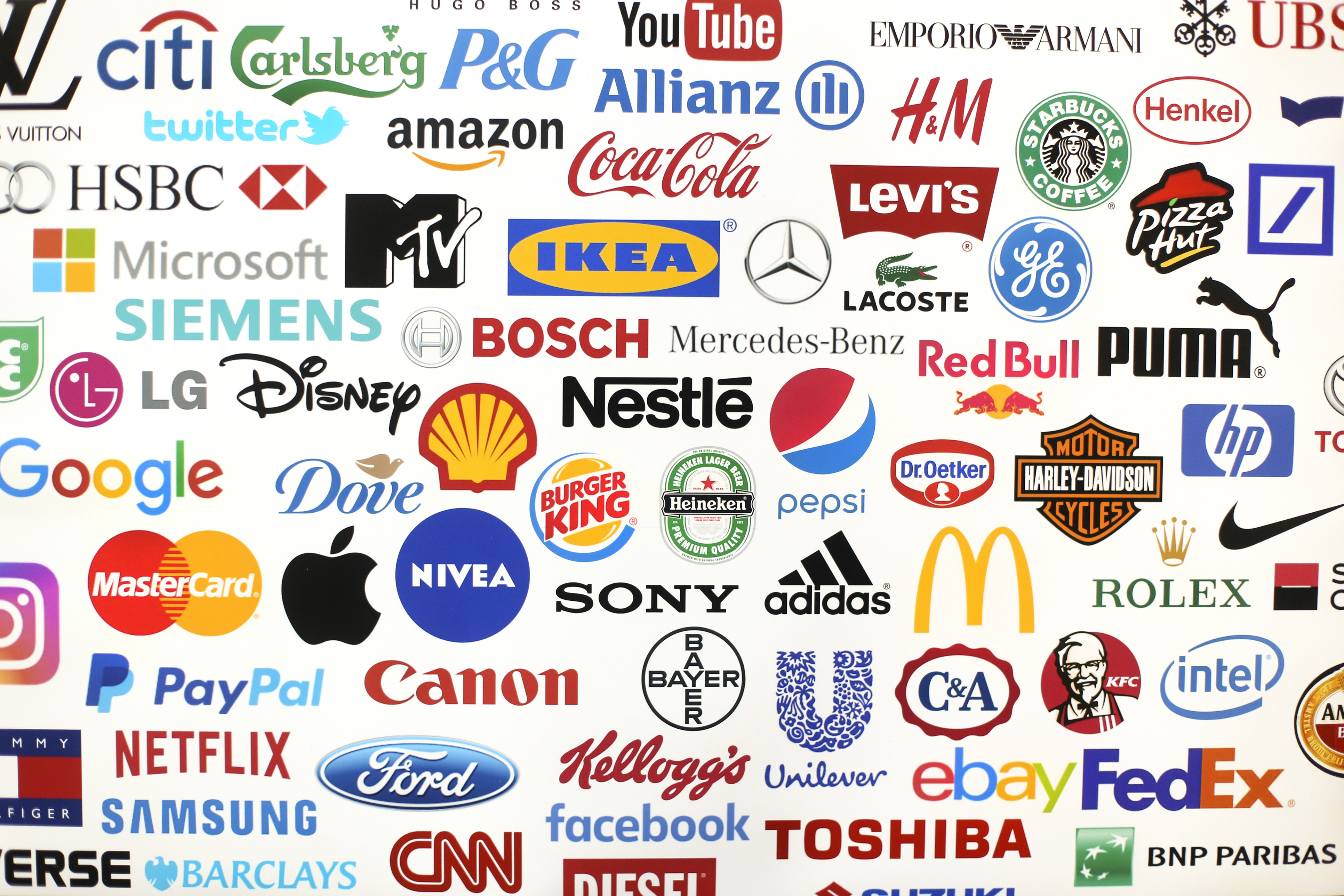
Brand Identity encompasses everything that makes a brand unique, such as its name, logo, slogan, and color palette. Also, the components go beyond the physical attributes of a brand, as it also includes the personality, values, and beliefs that the brand embodies.
Brand name
Since a brand name is the first point of contact between you and your customers, it is important to put a lot of creative thinking and consideration into choosing one. It is essential to select a name that is easy to pronounce, sends a good signal, and is relevant to the brand's values and personality.

When choosing a brand name, business owners need to consider factors such as their target audience, competitors, and cultural significance. They also need to be sure that name is not already trademarked or too similar to existing brands in the market. Imagine a scenario where customers need to buy an item, type out a brand name they know and they are getting multiple or similar results. In some cases, businesses may even hire branding experts or naming agencies to help them come up with a brand name that projects and resonates with their target audience.
Logo
A logo is a visual representation of a brand. It is a symbol, design, or emblem that represents a company's identity and standards. Also, it serves as a visual cue for customers to recognize and remember a brand. Customers should be able to guess or imagine what a brand does by merely having a look at the logo. If you are starting a restaurant business, you can design a logo that incorporates food-related elements such as a fork and knife. Anyone who sees a fork and knife can immediately relate to what business is in the picture.

While a logo has to fulfill all of the expectations, it must also be simple and easy to recognize; a complex design or a cluttered logo can be confusing and difficult to remember. Furthermore, a logo must be versatile and adaptable to different mediums and sizes. It should look good on a variety of platforms, including websites, social media, and print materials.
Color Palette
The color palette plays a significant role in the visual appeal and aesthetic of a brand's identity. The use of colors can induce emotions and convey messages. Taking the color blue as an example, the color is often associated with trust, reliability, and professionalism, which makes it a popular choice for corporate brands such as Nivea.

On the other hand, bright and bold colors like orange, green, or yellow can convey a sense of excitement, energy, and youthfulness, which is often used by brands targeting a younger audience.

The colors used in a brand's identity can also help distinguish it from its competitors. The mix of bright green and black colors in the Spotify logo makes it different from other music brands that typically use more subdued colors.
Typography

Typography states the recognition and differentiation of a brand. It refers to the style, size, and arrangement of the text used in a brand's visual communication. Usually, a bold and sans-serif font can imply strength, modernity, and confidence, while a script or handwritten font can convey a sense of elegance, tradition, and personalization. The choice of typography depends on the message it wants to communicate.
If you are starting a technology brand, you can choose a modern and sleek font such as Arial or Helvetica because the fonts convey a feeling of innovation and modernity. Also, considering that technology brands often use text-heavy content, such as product descriptions and user manuals, Arial and Helvetica are highly legible fonts that make it easy for customers to read and understand this content.
Brand Messaging
Messaging disseminates what your brand stands for, what makes it different, and why customers should make you a first choice. This is why a brand's messaging should be consistent across all its communication channels, such as its website, social media, advertising, and customer service. Customers on WhatsApp should not get a different brand message while customers on Twitter get a different picture in their heads. Develop a brand message framework that includes the brand's statement, value, key messages, and tone of voice. Consistent messaging helps create a clear and cohesive brand identity that customers can recognize and trust.
Finally, a brand identity is the essence of who a brand is and how it is perceived by several people. It also requires inventiveness and attention to detail to create a rare and compelling visual representation of a brand. The most interesting part of having a strong brand identity is that it can be a powerful asset for businesses, helping them create a devoted customer base, increase brand awareness, and revenue. It is an investment worth making for every business owner!
Highest paying Nigerian companies.
How to successfully build a brand identity as an entrepreneur
Recent Post
-
-
 WorkFlowsHR: the best HR software in Nigeria July 25, 2024
 -
-