What does housemanship mean for medical students?
-
December 18, 2023
-
0 Comments
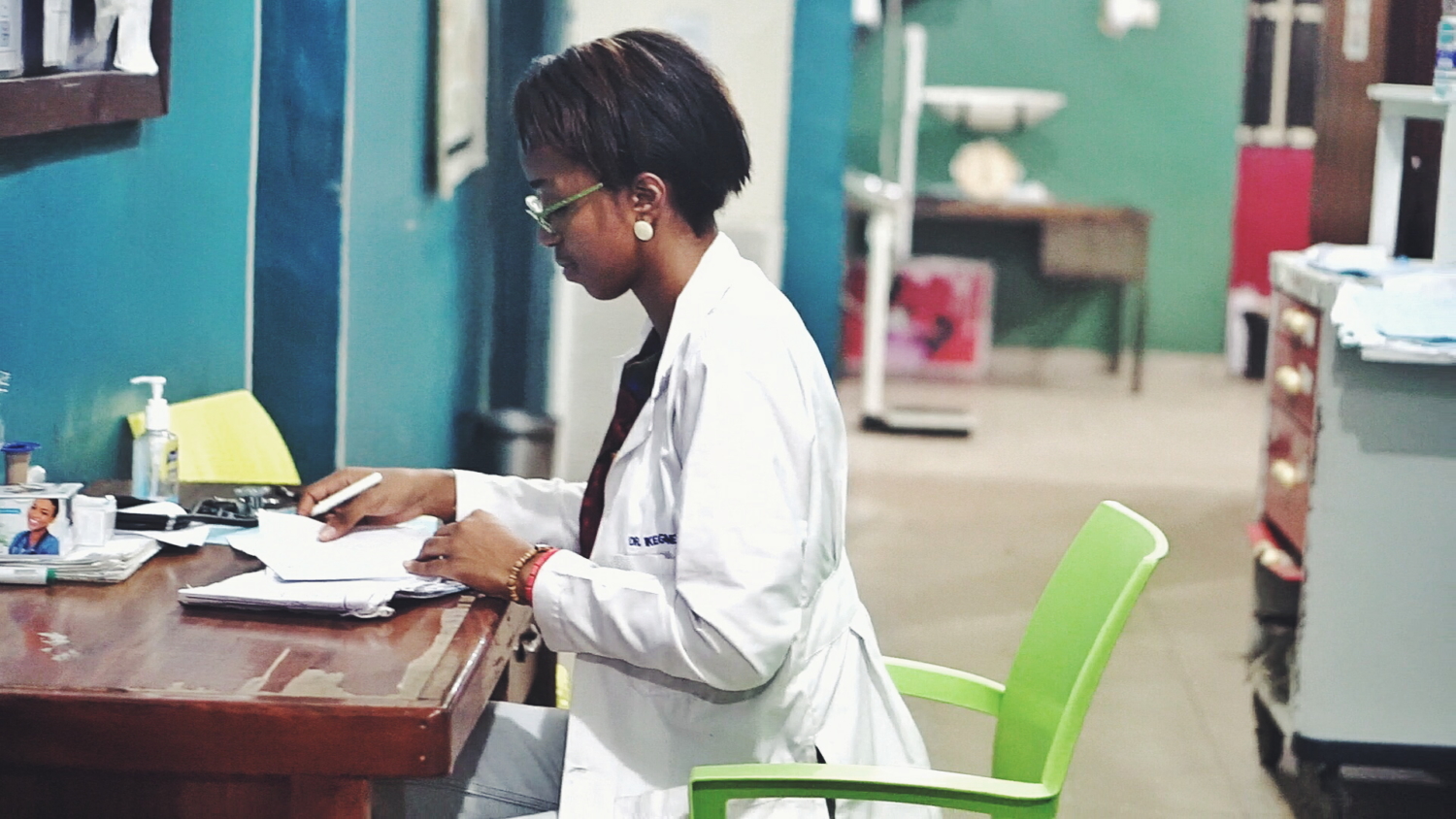
Housemanship is a big thing in Nigeria. Most graduates have to do it especially medical graduates. If you go to medical school in Nigeria or outside Nigeria, you must do you Housemanship service in Nigeria before you are allowed to start working as a medical professional.
Housemanship is like your inter year, you intern for a year where you rotate through various media departments for 12 weeks then you can get a full license afterwards.
Housemanship, a pivotal phase in the medical education journey, is a one-year training program that holds profound significance for medical students as they transition from the classroom to the clinical setting. In this article, we explore the meaning of housemanship for medical students, shed light on the activities involved, and highlight the invaluable advantages it offers in shaping the future generation of healthcare professionals.
What Does Housemanship Mean for Medical Students
Housemanship represents the critical bridge between theoretical knowledge and practical application for medical students. Also known as internship or residency, this immersive experience provides students with their first exposure to real-world patient care, clinical decision-making, and the multifaceted responsibilities of healthcare professionals. It serves as a formative period that shapes their clinical skills, professional identity, and ethical framework.
What is Being Done During Housemanship
During housemanship, medical students engage in a wide range of activities designed to immerse them in the clinical environment and equip them with the skills and competencies essential for their future practice. These activities may include:
Clinical Rotations
Students rotate through various specialties, gaining hands-on experience in diverse clinical settings such as internal medicine, surgery, pediatrics, obstetrics and gynecology, and more. This exposure broadens their clinical knowledge and hone their diagnostic and management skills.
Patient Care
Under supervision, students are actively involved in patient care, including conducting physical examinations, interpreting diagnostic tests, formulating treatment plans, and participating in procedures, all of which contribute to their growth as competent and empathetic caregivers.
Learning from Mentors
Students work closely with experienced physicians and healthcare professionals, learning from their expertise, observing their clinical decision-making, and receiving valuable mentorship that shapes their professional development.
Professional Development
Housemanship provides opportunities for students to develop essential professional skills, including effective communication with patients and colleagues, ethical decision-making, and understanding the importance of interdisciplinary collaboration.
Critical Reflection
Through regular case discussions, presentations, and reflective practice, students refine their clinical reasoning, learn from their experiences, and continuously improve their approach to patient care.
Advantages of Housemanship for Medical Students
Beyond the academic requirements for graduating from medical school, these are the benefits attached to housemanship for medical students.
Clinical Competence
Housemanship equips students with the practical skills and clinical acumen necessary for delivering high-quality patient care, fostering their confidence and proficiency as future physicians.
Professional Identity
The experience of housemanship contributes to the development of a strong professional identity, instilling in students a sense of responsibility, ethical practice, and dedication to the well-being of their patients.
Interdisciplinary Collaboration
Students learn the importance of teamwork and collaboration in healthcare, gaining a deeper appreciation for the contributions of various healthcare professionals in delivering comprehensive patient care.
Adaptability and Resilience
Housemanship challenges students to adapt to dynamic clinical environments, handle high-pressure situations, and cultivate resilience in the face of adversity, all of which are vital attributes for their future careers.
Clinical Decision-Making
Students refine their clinical reasoning and decision-making skills, learning to navigate complex patient cases and make sound, evidence-based judgments under the guidance of experienced mentors.
For more news/stories like this, sign up on our website. Also, you may want to follow us on social media:
Facebook: Hub for Jobs
Twitter: @hubforjobs
Instagram: @hubforjobs
MTN is recruiting for 2024. See what you need to know
Are you a Graduate? Check out this job opportunity at Dangote Cement
Recent Post
-
-
 WorkFlowsHR: the best HR software in Nigeria July 25, 2024
 -
-