Top 2024 Workplace Trends You Should look out for

-
January 10, 2024
-
0 Comments
The workplace is settling into a new phase. Although we have seen a couple of new stuff from the previous year, there is even more to unravel this year and we will be sharing with you the top workplace trends that will most likely get the table in 2024
Watch out more for these Workplace Trends
Some of them have probably been happening before now but chances are they would be louder this year. These trends include:
People Want to Grow or They Leave
Gone are the days when employees hang around a company and hope for the best. This year, the case is different as many workers really want to fight for the type of career they want. When it doesn't look like their goals will work with a certain team, they want to move on as fast as possible. And, contrary to popular opinion, it is not just Gen Z who will do this, the millennials have also realized how important it is to move on quickly from what may not be profitable to them.
Virtual Reality For Work
Virtual reality (VR) and augmented reality (AR) have gained popularity in recent years. In 2023, virtual reality in particular is expected to take center stage. The explanations behind this are evident. Consider training as an example: 34% of businesses believe that using VR and the metaverse to train and grow their workforce is more efficient.

VR facilitates 4 times faster learning for staff members than traditional classroom instruction. Additionally, those who receive VR training are up to 275% more assured about applying what they have learned. By continuing to use hybrid working, VR is also advancing. Working remotely limits in-person cooperation, which can make employees vulnerable to video call fatigue and prevent them from reading non-verbal cues from their peers.
The "Gen Z" Entry Into The Global Workforce
As "Gen Z" graduates from school, they flood the labor market with a fresh perspective on the workplace. The lack of values alignment, inadequate pay, or underappreciation make them the generation least likely to stay in a job they dislike. While quietly leaving a job was in style in 2022 and 2023, Gen Z has elevated the practice with "rage application," which involves mass job applications in the hopes that someone will make a better offer.

Priorities for Gen Z workers in the workplace include diversity, hybrid working, and mental health support. According to 46% of Gen Z, their workload is the primary cause of their stress or anxiety most of the time. According to 63% of Gen Z, working in a hybrid environment and receiving mental health care at work significantly boosts productivity and mental health.
Hybrid Work
Even though they are not new, remote work trends are anticipated to advance in 20234 While the pandemic's turmoil resulted in the broad adoption of fully remote work, the current trend is shifting more and more in favor of a hybrid model where individuals divide their time each week between being in a traditional workplace and being in a remote location. The amount of job postings for entirely remote work is declining, which is an indication that businesses want employees back in the office at least occasionally in 2024.
Skill-based Recruitment
Education has historically been one of the key determining factors in hiring decisions. The best predictors of a candidate's performance in a job were considered to be their credentials and the university they attended. However, this strategy is no longer being used in the workplace. Today, 75% of firms hire employees based on their talents. With skills-based hiring, a candidate's aptitude for a position is assessed together with other potential strengths they might bring to the team through a series of role-specific tests.
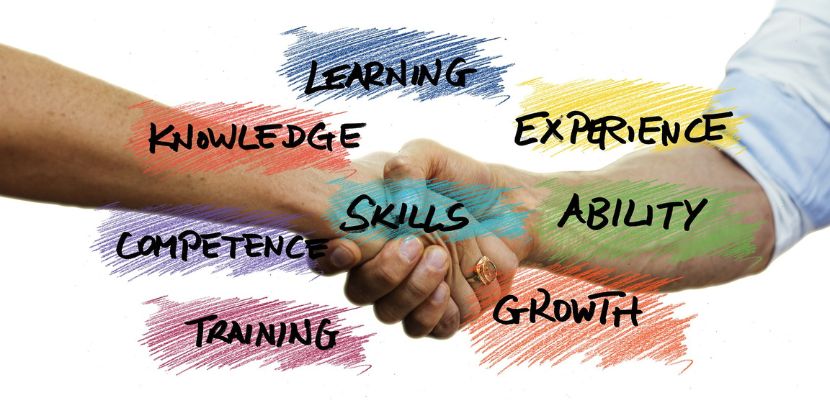
Employees have also been improving their talents, particularly during and after the pandemic, when many invested time in learning brand-new profession-related skills, either for fun or to aid in their job search. Also, businesses have discovered that recruits made based on talents are more content and effective at work than hires made in other ways.
Workplace Wellbeing And Positivity

The struggle for talent is getting more and more competitive, and workplace well-being is going to become one of the key weapons for employers. Even though employees place a high value on happiness and well-being, only 49% of respondents to an Indeed poll said their companies measure these things. The study also demonstrates that employees are less likely to look for jobs elsewhere the more content they are at work. Furthermore, wellness programs help lessen the damaging impacts of burnout. Due to this, it is expected that businesses will concentrate on well-being programs and benefits in the upcoming year.
Diversity, equity, and inclusion (DE&I)
The importance of diversity, equity, and inclusion (DE&I), which includes differences in gender, sexual orientation, abilities, and neurodiversity, is already widely acknowledged in the workplace. Diversity is not just important for social fairness but also for creativity and invention that come from a variety of viewpoints. People from different backgrounds are more likely than those from the same background to come up with something unique and marketable. It's also something that employees value more and more; 81% of workers say they'd think about quitting if they thought their employer wasn't supporting DE&I enough.
4-day Work Week
Four-day work weeks have been successfully tested thus far. According to the 4-Day Week Global Study, 67% of the participating companies said they would continue rather than switch back to the standard 5-day schedule. Contrary to concerns, productivity increased or remained the same during the trial, and employee well-being and satisfaction increased. And research by Henley Business School indicated that companies that have tried out and adopted the 4-day workweek had saved almost £104 billion, or 2.2% of total revenue. So, in 2024, will more businesses adopt a shorter workweek? One survey found that 79% of recruiters predicted that a 4-day workweek without a salary cut would be standard by 2030, therefore it is safe to assume that this endeavor won't fizzle out anytime soon.
Do you find this content helpful? Sign up on our website to have full access to all job openings, career advice, and salary category. Also, you may want to follow us on social media:
Facebook: Hub for Jobs
Twitter: @hubforjobs
Instagram: @hubforjobs
LinkedIn: HubForJobs
This is for people looking for Social Media Management Roles in Nigeria
How much does a music writer charge in Nigeria
Recent Post
-
-
 WorkFlowsHR: the best HR software in Nigeria July 25, 2024
 -
-