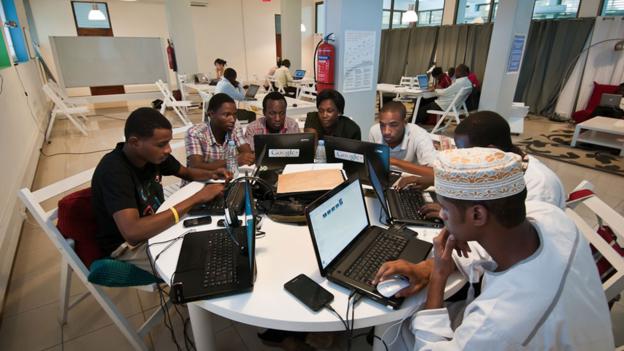
Prioritising mental health at work in 2024

-
December 27, 2023
-
0 Comments
As we step into 2024, the significance of mental health in the workplace has come into sharper focus. Employers and employees alike are recognizing the critical need to prioritize mental well-being alongside physical health. Understanding what mental health encompasses and how to prioritize it at work is essential for creating a supportive and healthy work environment.
What is Mental Health
Mental health refers to a person's emotional, psychological, and social well-being. It influences how individuals think, feel, and act, and also helps determine how they handle stress, relate to others, and make choices. Mental health is essential at every stage of life, from childhood and adolescence through adulthood.
The Importance of Prioritizing Mental Health at Work
Prioritizing mental health at work is crucial for several reasons. A positive work environment that prioritizes mental well-being can lead to increased productivity, higher employee morale, reduced absenteeism, and improved overall job satisfaction. Addressing mental health in the workplace can also contribute to fostering a culture of inclusivity, empathy, and understanding among colleagues.
Strategies for Prioritizing Mental Health at Work in 2024
These strategies will help with the promotion of mental health
Promote Mental Health Awareness
Provide resources and training to raise awareness about mental health issues and reduce the stigma associated with seeking help.
Implement Mental Health Policies
Develop and implement clear policies that support mental health, including flexible work arrangements, access to mental health services, and support for employees experiencing mental health challenges.
Encourage Work-Life Balance
Promote a healthy work-life balance by offering flexible scheduling, remote work options, and paid time off for mental health days.
Provide Mental Health Resources
Offer access to mental health resources such as employee assistance programs (EAPs), counseling services, and educational materials on stress management and resilience.
Foster a Supportive Culture
Cultivate a workplace culture that values open communication, active listening, and empathy, where employees feel comfortable discussing mental health concerns without fear of judgment or reprisal.
Training and Development
Provide training to managers and employees on recognizing the signs of mental health issues, supporting colleagues in distress, and promoting a psychologically safe work environment.
Balancing Mental Health and Work Pressure
Work pressure can manifest in various forms, including excessive workloads, tight deadlines, a lack of autonomy, and high-performance expectations. Prolonged exposure to these pressures can lead to stress, anxiety, burnout, and other mental health challenges if not managed effectively. Individuals and organizations need to acknowledge the impact of work pressure on mental well-being and take proactive steps to address these issues.
Here are some effective strategies for individuals and organizations to achieve a better balance between work and mental health.
Strategies for Individuals
Set Boundaries
Establish clear boundaries between work and personal life. Define specific work hours and avoid bringing work-related concerns into personal time.
Practice Self-Care
Engage in activities that promote relaxation and well-being, such as exercise, meditation, hobbies, and spending time with loved ones.
Seek Support
Reach out to colleagues, friends, or mental health professionals for support and guidance when facing work-related stress.
Manage Time Effectively
Prioritize tasks, set realistic goals, and delegate when necessary to avoid feeling overwhelmed by work demands.
Take Breaks
Incorporate regular breaks into the workday to rest, recharge, and prevent burnout.
Strategies for Organizations
Promote a Healthy Work Culture
Foster a work environment that values work-life balance, open communication, and mental well-being. Encourage employees to take time off when needed and lead by example in promoting a healthy work-life balance.
Offer Mental Health Support
Provide access to mental health resources, such as employee assistance programs, counseling services, and stress management workshops.
Training and Education
Offer training to managers and employees on recognizing the signs of work-related stress and promoting a supportive work environment.
Flexible Work Arrangements
Consider implementing flexible work arrangements, such as remote work options, flexible scheduling, and compressed workweeks, to accommodate individual needs and promote work-life balance.
Regular Check-Ins
Conduct regular check-ins with employees to assess their well-being, address any work-related concerns, and provide necessary support.
In 2024, employers need to recognize the impact of work-related stress, burnout, and other mental health challenges on their employees. By prioritizing mental health at work and implementing supportive policies and initiatives, organizations can create a workplace that values the well-being of its employees.
As we move forward, let's work together to create a culture where mental health is given the attention and care it deserves, fostering a more resilient, engaged, and productive workforce in the process.
If you take the time to register on our website, you can come across numerous internship opportunities around the world that can help you launch your career. Also, you may want to follow us on social media:
Facebook: Hub for Jobs
Twitter: @hubforjobs
Instagram: @hubforjobs
LinkedIn: HubForJobs
You need these skills for a better freelancing experience in 2024
Lucrative businesses for every Agribusiness Enthusiast
Recent Post
-
-
 WorkFlowsHR: the best HR software in Nigeria July 25, 2024
 -
-