Occupational Therapist Jobs

-
March 16, 2023
-
0 Comments
Occupational therapy is one of the healthcare professions that assists individuals of all ages in carrying out significant and essential tasks for their well-being. Occupational therapist jobs are in high demand in several settings, such as hospitals, rehabilitation facilities, schools, mental health clinics, and home healthcare. Occupational therapists care for those with physical, developmental, cognitive, or emotional problems, injuries, or illnesses that limit their abilities to do these activities. To assist their clients in achieving independence, enhancing their quality of life, and engaging in everyday activities, they create individualized treatment programs and use a range of interventions.
What is occupational therapy?
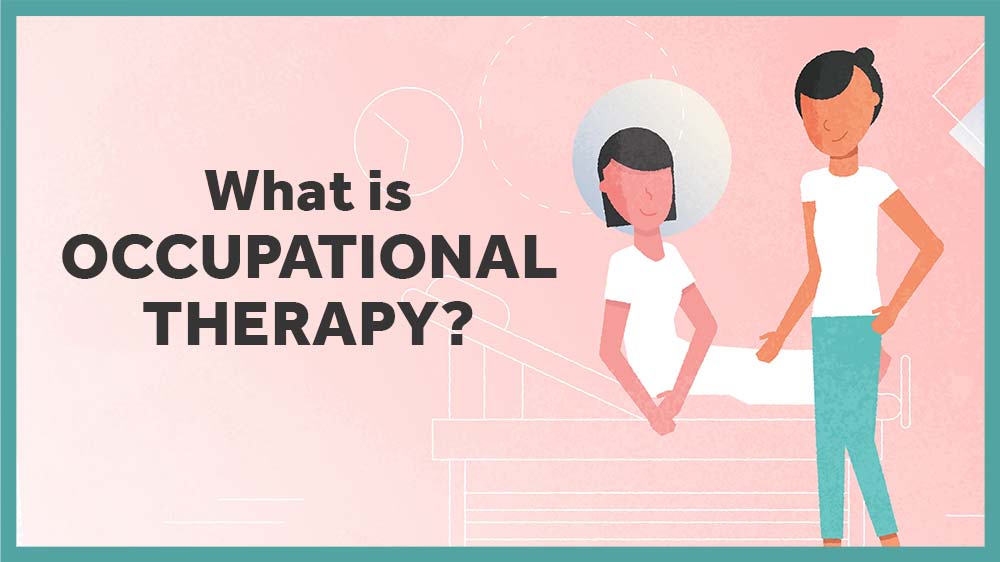
Occupational therapy is a medical specialty that aids people of all ages in carrying out important and necessary tasks for their everyday life. Self-care tasks (such as getting dressed and bathing), work-related tasks, leisure pursuits, and interpersonal interactions are a few examples of these activities. Occupational therapists care for those with physical, developmental, cognitive, or emotional problems, injuries, or illnesses that limit their capacity to do these activities. They work to assist their customers in enhancing their ability to carry out daily tasks, stop extra impairment or damage, and advance health and well-being.
To aid their patients, occupational therapists use a range of therapies, including exercise regimens, assistive technology, environmental changes, and education and training. To assist clients in overcoming obstacles associated with their disabilities or illnesses, they may also work with them to create coping mechanisms and emotional support. Occupational therapy's overarching objectives are to support patients in achieving independence, enhancing their quality of life, and engaging in everyday activities despite obstacles.
Who is an occupational therapist?
A qualified healthcare professional known as an occupational therapist went through professional training to assist people of all ages in carrying out daily tasks, or "occupations," that are crucial for their health, well-being, and quality of life. Occupational therapists care for those with physical, developmental, cognitive, or emotional problems, injuries, or illnesses that limit their capacity to do these activities.
To help their patients increase their capacity to carry out daily activities, occupational therapists assess their clients' abilities and needs before creating personalized treatment plans. To support their clients, they may use a range of interventions, including fitness regimens, assistive technology, environmental changes, and teaching and training.
Hospitals, rehabilitation facilities, schools, mental health clinics, and home health care facilities are a few places where occupational therapists practice. They deal with diverse clients, including young people and adults, with unique needs and difficulties. Regardless of the problems a person may encounter, occupational therapists play a critical role in assisting them to gain independence, enhance their quality of life, and engage in daily activities.
What does an occupational therapist do?
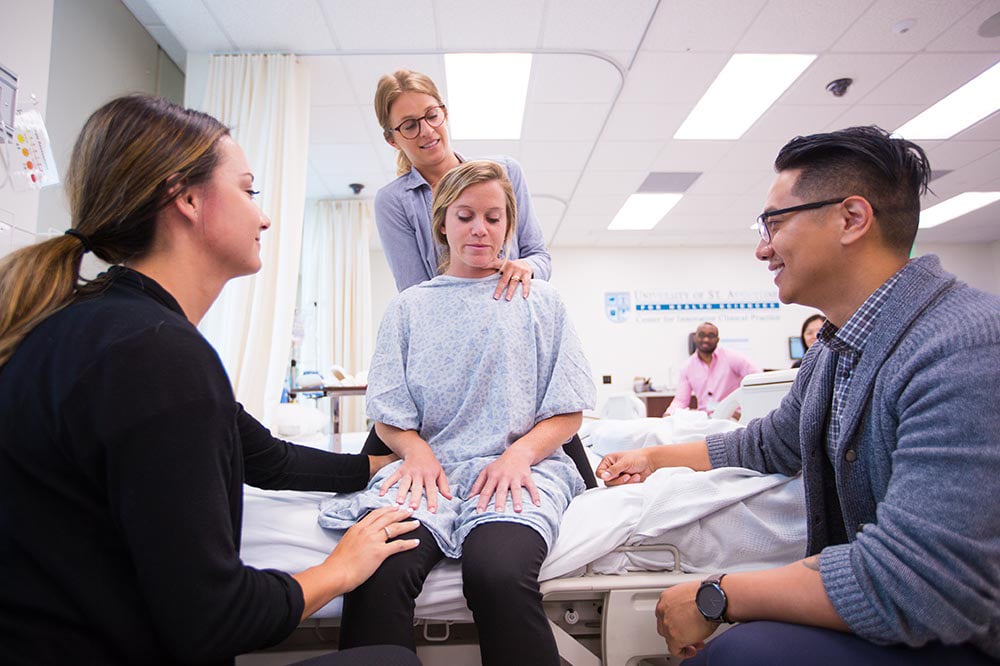
People of all ages receive help from an occupational therapist in carrying out routine tasks, or "occupations," that are crucial for their health, happiness, and quality of life. Occupational therapists care for those with physical, developmental, cognitive, or emotional problems, injuries, or illnesses that limit their capacity to do these activities.
The following are the primary duties of an occupational therapist:
- Assessing the needs and capabilities of clients: To create personalized treatment programs that address each client's particular requirements and goals, occupational therapists check their patient's physical, cognitive, and emotional capabilities.
- Creating therapy strategies: Occupational therapists create treatment programs for their patients based on their evaluations, which may include exercises, assistive technology, environment adjustments, education, and training to help them enhance their capacity to carry out daily activities.
- Putting treatment plans into action: Also, to help their patients carry out their treatment programs, occupational therapists give them ongoing support and direction so they can do their objectives.
- Following up on results and modifying treatment schedules: To achieve the best results, occupational therapists keep track of their patient's progress and adjust their treatment schedules as necessary.
- Supplying coping mechanisms and emotional support: To assist their patients in overcoming difficulties brought on by their disabilities or illnesses, occupational therapists can offer emotional support and coping mechanisms.
Regardless of the difficulties a person may encounter, occupational therapists play a critical role in assisting them to gain independence, enhance their quality of life, and engage in daily activities.
Occupational Therapy qualifications
You should meet the following requirements must to become an occupational therapist:
- Bachelor's degree: You will need a bachelor's degree, which usually requires four years. You might major in relevant subjects like sociology, psychology, or the health sciences.
- Master's Degree: The next step is to complete an occupational therapy master's degree program, which can take 2-3 years. The Accreditation Council for Occupational Therapy Education must accredit the program (ACOTE).
- Fieldwork Knowledge: People will need to do fieldwork experience, working with clients while supervised by a professional occupational therapist, as part of their master's program.
- License: To become a certified occupational therapist, candidates must pass the National Board for Certification in Occupational Therapy (NBCOT) exam after completing their coursework and fieldwork.
- Regular Education: Occupational therapists must take continuing education classes to keep their licenses valid and stay current with changes in their field.
Being an occupational therapist demands extensive study and training, but it may be fulfilling for individuals who appreciate assisting others in enhancing their quality of life.
Where can I study Occupational Therapy in Nigeria?

In Nigeria, several universities provide undergraduate occupational therapy programs. Here are several possibilities:
- Obafemi Awolowo University, Ile-Ife: The Department of Medical Rehabilitation at Obafemi Awolowo University offers a Bachelor of Medical Rehabilitation in Occupational Therapy.
- University of Ibadan: The Department of Occupational Therapy, Faculty of Clinical Sciences at the University of Ibadan offers a Bachelor of Occupational Therapy degree program.
- University of Lagos: The Department of Occupational Therapy, College of Medicine, offers a Bachelor of Occupational Therapy degree program.
- Bayero University Kano: The Department of Physiotherapy and Rehabilitation Sciences at Bayero University Kano offers a Bachelor of Medical Rehabilitation in Occupational Therapy.
- University of Benin: The Department of Medical Rehabilitation, Faculty of Health Sciences at the University of Benin, offers a Bachelor of Medical Rehabilitation in Occupational Therapy.
- Ahmadu Bello University, Zaria: The Department of Medical Rehabilitation, Faculty of Allied Health Sciences at Ahmadu Bello University offers a Bachelor of Medical Rehabilitation in Occupational Therapy.
- University of Maiduguri: The Department of Physiotherapy, Faculty of Medicine at the University of Maiduguri, offers a Bachelor of Medical Rehabilitation in Occupational Therapy.
- University of Nigeria, Enugu Campus: The Department of Medical Rehabilitation, Faculty of Health Sciences and Technology at the University of Nigeria, Enugu Campus, offers a Bachelor of Medical Rehabilitation in Occupational Therapy.
- Madonna University: The Department of Medical Rehabilitation, Faculty of Health Sciences at Madonna University offers a Bachelor of Medical Rehabilitation in Occupational Therapy.
It's vital to remember that admission standards, program layouts, and tuition costs can differ from university to university. To get comprehensive information on the individual programs, contacting the universities or visiting their websites is ideal.
What jobs can you do with OT in Nigeria?
Occupational therapy is a broad discipline with a wide range of job options. You can work in the following positions with a degree in occupational therapy:
Occupational Therapist
As an occupational therapist, you will assist patients in overcoming obstacles caused by physical, mental, or emotional impairments, accidents, or illnesses. Your primary responsibility will be to test the capabilities and requirements of your clients, create individualized treatment plans to meet those issues, collaborate with them to put in place the strategies, and track their development. You might work with people of all ages in some settings, including hospitals, schools, rehabilitation facilities, mental health clinics, and home health care.
Pediatric Occupational Therapist
If you specialize in working with kids, you'll concentrate on assisting them in acquiring the abilities required to participate in daily life and achieve academic success. Providing therapy to children with physical limitations, sensory processing issues, or developmental delays can help them improve their motor, social, and cognitive skills.
Geriatric Occupational Therapist
If you specialize in supporting older people, you'll ensure they age with dignity and freedom. You might deal with patients who have mobility problems, ongoing illnesses, or cognitive impairments, offering therapy to help them become better at performing daily tasks like getting dressed, taking a shower, and eating.
Mental Health Occupational Therapist
If your area of expertise is helping people with mental health disorders, you will concentrate on assisting them in managing their symptoms and enhancing their general functioning. You might treat clients with anxiety disorders, depression, schizophrenia, or other mental health issues to help them learn coping mechanisms, strengthen their social skills, and engage more in daily activities.
Hand Therapist
You will concentrate on assisting your clients in regaining their strength, range of motion, and function if you specialize in dealing with those who have hand and upper extremity injuries or conditions. You might provide therapy to patients with fractures, sprains, or post-surgical problems to help them regain function in their hands and upper extremities.
Rehabilitation Coordinator
You will be essential in coordinating the care of patients receiving occupational therapy services if you work as a rehabilitation coordinator. To ensure that patients receive thorough and efficient care, you might work alongside occupational therapists, physical therapists, and other medical experts in a hospital or rehabilitation facility.
Assistive Technology Specialist
Concentrating on assistive technology will enable people with disabilities or injuries to use these tools to carry out daily tasks more. Working with clients who need wheelchairs, prosthetic limbs, or other assistive devices allows you to give them instruction and support so they can use them more.
There are many job options in occupational therapy, which will let you have a beneficial influence on the lives of the people you work with.
How much is the occupational therapy salary in Nigeria?
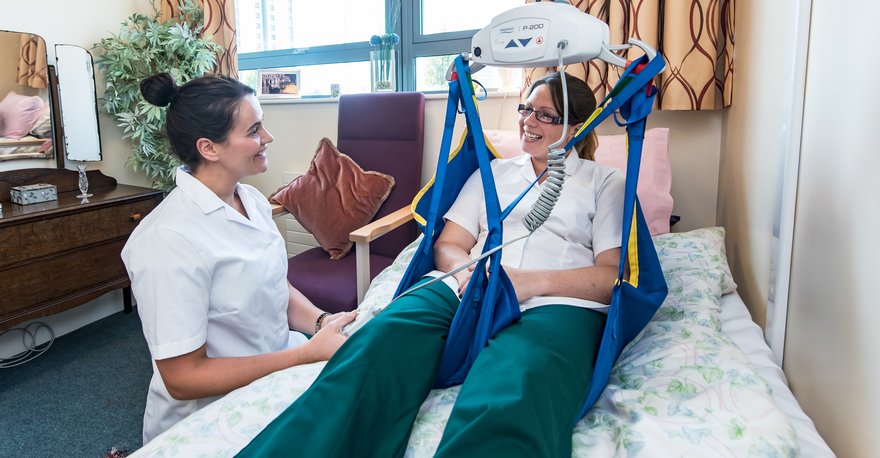
In Nigeria, the pay for occupational therapists might differ depending on several variables, including experience, region, company, and work industry. According to the information that is currently accessible, the monthly salary for occupational therapists in Nigeria is between N70,000 and N350,000 Naira per month.
The average yearly salary for an occupational therapist in Nigeria is around ₦1,800,000. But, depending on the mentioned variables, this can range from roughly ₦1,200,000 to ₦ 3,000,000 or more per year.
It's essential to remember that public sector pay may be lower than private sector salaries. Moreover, less experienced occupational therapists may make more money than recent grads. When assessing possible wages in this sector, conducting a thorough study and considering all pertinent elements is crucial.
Occupational Therapy Jobs Near me in Nigeria
There are diffferent occupational therapy jobs near you that you can apply for, you can do that by checking our Homepage, where you will see various jobs.
Occupational Therapy Jobs in Lagos
If you stay in lagos there are so many occupational jobs near you in Lagos, just check our Homepage for different job opportunities.
You can reach us also on our social media platforms below:
Facebook: @Hubforjobsofficial
Instagram:@hubforjobs
Twitter: @hubforjobs
LinkedIn: @HubForJobs
Telegram: Hubforjobs
Hospital Cashier Jobs
Hospital security Jobs
Recent Post
-
-
 WorkFlowsHR: the best HR software in Nigeria July 25, 2024
 -
-