Job Options For Chefs Who Wish To Switch Career
-
July 07, 2023
-
0 Comments
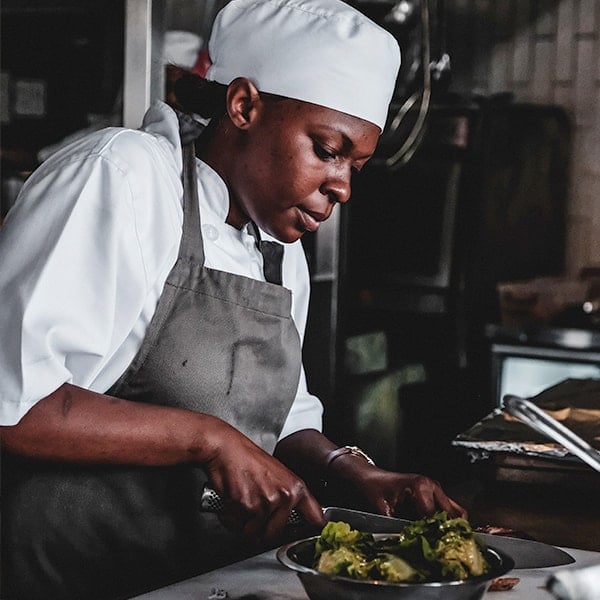
Professionals in the food industry known as chefs create menus and cook meals for customers. You can learn a range of skills from becoming a chef that you could find helpful when looking for a new career. If you're a chef thinking about working in another industry, it could be helpful to find out what careers need the same abilities you honed as a chef. What are the available job options for chefs who wish to switch career?
Read Also >>> Job Description And Average Salary Of Chef In Nigeria
Job Options For Chefs Who Wish To Switch Career
Chefs have in-depth knowledge of both ingredients and cooking methods. They may also have experience in leadership, customer service, and teamwork. Many other businesses frequently require these talents, which can open doors for cooks looking to change careers. Here are 10 careers that chefs may want to think about switching to:
Cafeteria Manager
Professionals in the food industry who supervise the cafeteria's cooking and serving operations are known as cafeteria managers. They may work in cafeterias that serve personnel or patrons at grade schools, college campuses, office buildings, or other places. To make sure that there are adequate products and cooking supplies available to satisfy the menu needs, cafeteria managers frequently plan meals and manage inventory. They're frequently in charge of overseeing the cafeteria staff, making timetables for their workers, and making sure everyone works by all health and safety regulations. They could also assist with cleaning, serving meals, and preparing food.
Caterer
Professionals in the food industry known as caterers offer meals for a variety of events. They are in charge of creating menus that satisfy the needs of their customers, buying food and drinks, cooking meals, delivering them to event sites, and distributing food to attendees. A thorough understanding of food preparation, service, food safety, and transportation procedures is frequently necessary for caterers. Additionally, they might negotiate rates with customers and set up and take down furniture for events, including seats, tables, silverware, and cooking utensils.
Nutritionist
The goal of nutritionists is to help their clients eat in a way that enhances their health. They frequently work one-on-one with customers to comprehend their health objectives and develop programs to achieve them through a balanced diet and nutritional supplements. Nutritionists may base their programs on their client's preferences and financial constraints. They frequently keep track of their clients' advancement toward their health goals after beginning a nutritional program with them and modify their strategies as appropriate. The wide understanding of human dietary needs and the health impacts of various meals that nutritionists possess is frequently advantageous.
Personal Shopper
Meal preparation and grocery shopping for families or single people are the responsibilities of personal shoppers. To be able to plan meals every week, identify the right components, and locate stores where they can be purchased, they need to have experience in a variety of culinary styles. Some families might seek to develop healthier eating habits, and individual buyers might gain from understanding nutrition. Personal shoppers may be in charge of creating a manageable food budget for their clients in addition to making shopping lists and buying food.
Hotel Manager
Hotel operations are supervised by experts known as hospitality managers. Making staff schedules, conducting job interviews, training and onboarding new hires, and ensuring health and safety compliance are all examples of this. Hotel restaurants and bars are frequently overseen by hospitality managers, who may also assist with menu development, inventory control, and vendor relations. They might also manage staff reprimands, address customer grievances, and manage the business's budget.
Restaurant Owner
Restaurant owners are professionals who run dining places, and the duties they have depend on the type of restaurant they run. Many restaurant proprietors are company owners who launch and run their enterprises. They frequently gain from having culinary expertise in these situations, including managing the kitchen and learning how to cook and store food. Owners of restaurants are also in control of the business side of their establishments and may create business strategies, handle fundraising and budgeting, locate investors, and plan corporate growth. While some owners hire general managers to handle daily operations, other entrepreneurs are hands-on and conduct many managerial chores.
Kitchen Designer
Those who design kitchens for residential or commercial usage are creative specialists. They consult with clients to ascertain their needs and create blueprints that satisfy them. After that, they collaborate with clients and contractors to make sure the designs are implemented successfully. Experience with cooking techniques, food storage techniques, and knowledge of plumbing, electrical requirements, and design software are all valuable assets for kitchen designers. Kitchen designers frequently possess a gift for creativity and aesthetic design in addition to their technical expertise.
Dietician
Dietitians strive to improve their clients' health by promoting wholesome eating practices. They frequently require a license to practice, unlike nutritionists. Dietitians consult with their patients to discuss their dietary and nutritional goals and to determine the underlying reasons for any health problems. Then they develop meal regimens to aid in enhancing their client's welfare. To evaluate the success of their dietary recommendations, they may also keep track of their patient's progress and treatment plans.
Food Writer
Professionals that write and edit content about food and culinary topics are known as food writers. Bloggers who write about local eateries, recipes, and travel tales include some food writers. Others can be employed as food reviewers by newspapers or magazines, visiting nearby eateries to provide critiques of their menus for publication. Cookbooks, travel manuals, and memoirs may be written by food writers who are also authors. The majority of food writers need to be proficient writers and editors, have good typing abilities, and have a deep understanding of cuisine, dining establishments, and cooking methods.
Food Stylist
Food stylists are imaginative experts that design aesthetically pleasing food displays to boost product sales. They might work for a range of diverse employers, such as media companies, creative consultancy firms, and publishers of magazines and newspapers. Their main responsibility is to make food according to the needs of their customers utilizing a range of cooking techniques. After that, they set it up for picture and video shoots. They would need to produce a variety of dishes in a pleasing and marketable style as part of their employment, thus having a deep understanding of ingredients and culinary methods is frequently crucial.
If you found this article informative and helpful, log on to Hubforjobs.com for more. Click here Hubforjobs
You can also connect with Hubforjobs on all their social media handles for more regular job updates.
Facebook: @Hubforjobsofficial
Instagram:@hubforjobs
Twitter: @hubforjobs
LinkedIn: @HubForJobs
Telegram: Hubforjobs
How To Become a Voice-Over Artist
Salary of a Site Surveyor in Nigeria
Recent Post
-
-
 WorkFlowsHR: the best HR software in Nigeria July 25, 2024
 -
-