Impact of Fuel Subsidy Removal on the Nigerian Workforce
-
August 01, 2023
-
0 Comments
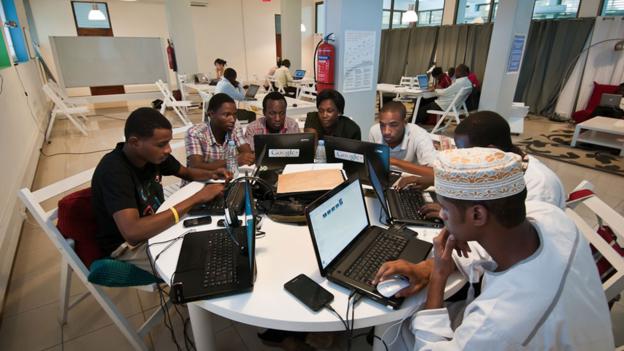
The fuel subsidy removal, undoubtedly, has hit the Nigerian workforce really hard. While employees who work remotely may not feel a thing, the hybrid and on-site workers already have a lot of stories to tell. This move to eliminate fuel subsidy has affected the workforce in varying ways; for employees who are fortunate enough to work from home, the immediate effect may not be as palpable but for employees who have to show up in the office everyday or on some days, their daily lives have taken a new turn overnight and now they have no option than to adjust to the change.
What is Fuel Subsidy Removal?
Fuel Subsidy removal refers to the decision of the government to eliminate the financial aid/support provided to citizens of the country for the purchase of fuel products. The primary goal behind subsidies is to help citizens, especially low-income earners afford the prices of fuel and also to stimulate economic growth by reducing transportation costs for businesses and individuals. While the government aims to help its people, sometimes, the fuel subsidy becomes a financial burden on the government's budget and the need may come to remove it.
Therefore, when the government announces its intention to remove fuel subsidies, it means that there will no longer be financial support to buy fuel at a relatively low price. As a result of this, the cost of fuel at the filling stations increases to reflect the actual market price causing higher transportation costs for workers, business owners, and individuals who heavily rely on fuel to get things done.
When was the recent fuel subsidy removal announced?
Bola Ahmed Tinuba (BAT), the current president of Nigeria announced during his inauguration on the 21st of May, 2023, the total removal of fuel subsidy. He explained that the strategy has worked more for the rich than the poor and because of this, it no longer justifies its purpose of reducing costs. He then added that the funds retrieved from implementing this measure would be re-channeled into better investment in the public infrastructure that will significantly improve the lives of many Nigerians.
A few days after the declaration from Mr President, the NNPC sprung into action and the pump price of petrol was reviewed. The pump price went from about N189 per liter to N600 per liter, a whole 200% increase that left Nigerians in utter disbelief.
What do the citizens think?
It's been 2 months since the development and a lot of people are still finding it hard to adapt to the situation. Oftentimes, since the announcement, Nigerians have taken to their social media platform to air their opinions and share their struggles. While some think it was the best decision to make considering the economic state of the country, others think it wasn't reasonable and life may become even more unbearable for the poor.
However, in 2 months, the government says it has saved over N1 trillion from fuel subsidies but the fact remains that the Nigerian workforce is having a hard time fulfilling their obligations.
The impact of the development on the Nigerian workforce
The removal of the fuel subsidy has in different ways affected employees who work in Nigeria but here are the major effects:
Huge Transportation Fare
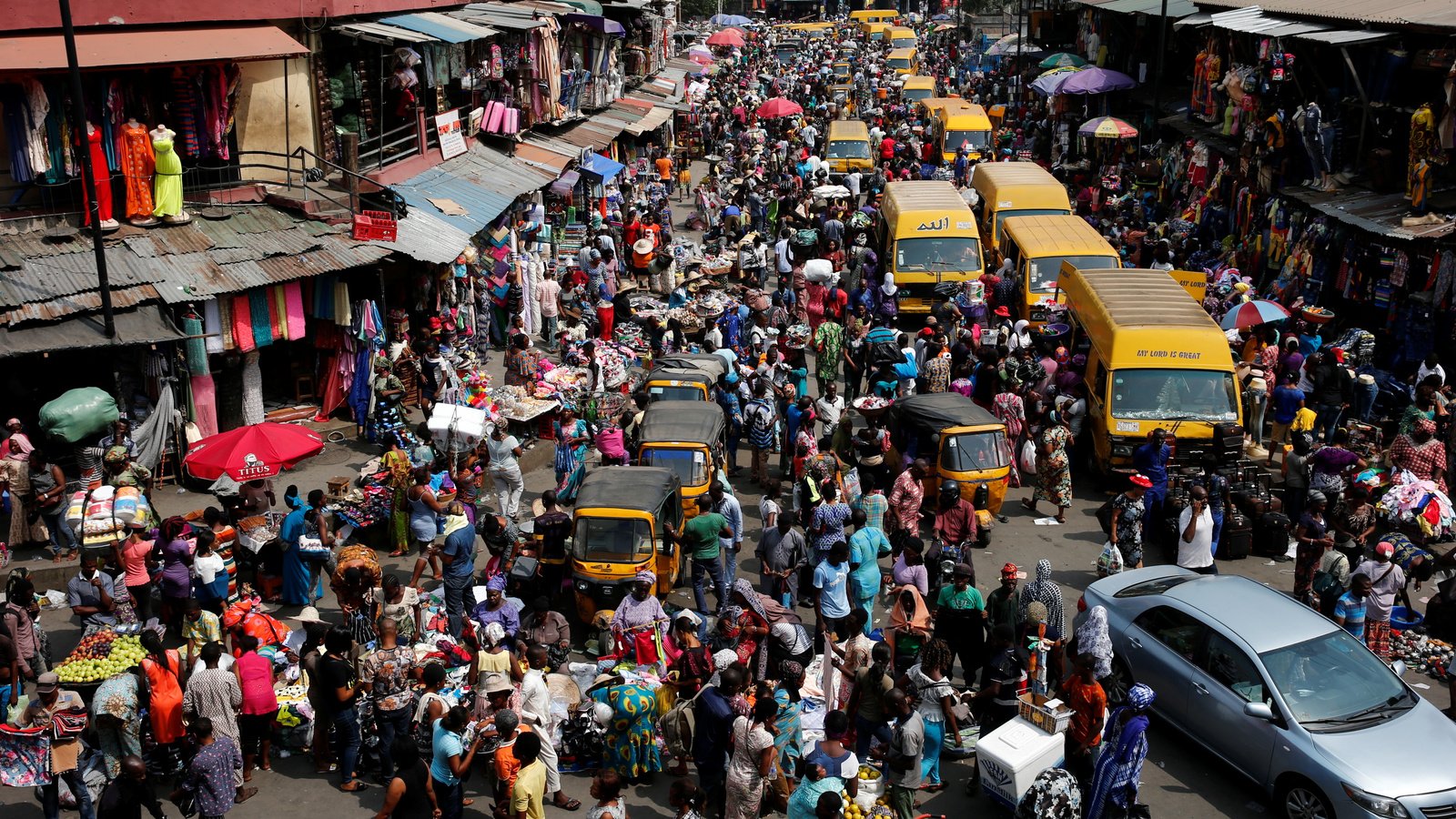
With the removal of fuel subsidies, the cost of transportation increases. So, whether an individual goes to work by private or public transport, the transportation fare is on the high side and directly affects the disposable income of employees, especially those earning less, making it more challenging for them to manage their daily expenses. Also, considering that the salaries may not increase to cushion this effect, it may be somewhat hard to accommodate the situation.
Slow business for the self-employed
While 9-5vers are trying to navigate the situation, entrepreneurs are not left out of the charade. The rise in cost of fuel affects transportation and logistics which in turn causes suppliers and distributors to pass on higher transportation costs to business owners. Owing to this, entrepreneurs may find it really hard to maintain their profit margins and as time goes on, they may also be forced to increase the price of their products and services, potentially impacting their competitiveness in the market.
Also, for business owners who have to deliver goods and services to employers, transportation costs for delivery goods automatically move to the high side. As a result, customers may begin to complain that they cannot afford the delivery fee while refusing to buy the products. This causes sales to drop and entrepreneurs are burdened because they are yet to figure out how to go about it.
Nigerian Workers may now struggle to save
Nigerians have a huge saving culture and this has been for long with many individuals prioritizing saving for the future. But, if they now have to spend more on transportation to work, this could weaken the culture. When faced with even more expenses to fix, Nigerian workers may be compelled to attend to immediate needs over long-term savings, making it harder to build financial security and resilience. With more of their income being dedicated to transportation, workers may have less capacity to build emergency funds and this would even make it harder for them to cope with unexpected financial challenges.
Lack of Motivation to get the work done
Average Nigerian workers fight tooth and nail to get to work, surviving the heavy traffic and now, the insane cost of transportation. The burden of coping with all of these can leave workers physically and emotionally drained before they even reach their workplaces. Dealing with long and exhausting commutes due to increased transport fares can stress out workers, making it harder for them to find their jobs enjoyable. Also, the feeling of not being adequately compensated for their efforts due to higher costs can lead to job dissatisfaction.
Negotiating Power
Even before the removal of the fuel subsidy, Nigerians will naturally be concerned about the remuneration. Now that the fuel subsidy has been eliminated and the cost of living is on the rise, workers may feel pressured to negotiate for higher salaries or more benefits to cope with the increased expenses. While this may be the reality, not all workers will be able to secure better compensation, especially in sectors with limited job opportunities or weak labor unions.
While this may not be the best of times for the Nigerian workforce, we, however, hope that everyday comes with a form of relief that can spur them to keep showing up.
While you are here, you may want to sign up on our website and check through some of these categories; salary, career advice, and resume. You can also follow us on social media:
Facebook: Hub for Jobs
Twitter: @hubforjobs
Instagram: @hubforjobs
LinkedIn: HubForJobs
CV/Resume Writing and Job Seeking
How To Establish Yourself As A Thought Leader In Your Field
Recent Post
-
-
 WorkFlowsHR: the best HR software in Nigeria July 25, 2024
 -
-