Data Analyst Vs Data Scientist: What are the Similarities and Differences
-
July 24, 2023
-
0 Comments
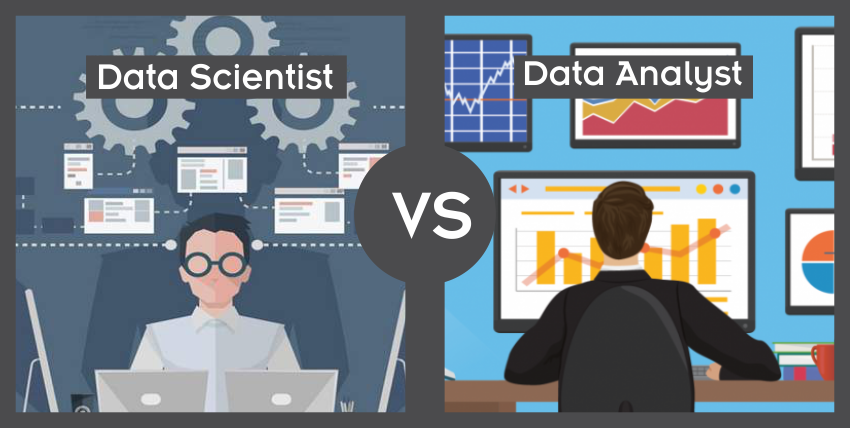
More often than not, Data scientists and Data Analysts are usually confused to mean the same and share the same roles when they are not the same. They share some similarities in roles, and collaboration but also share differences. They both use data analyzing tools and are data focused. However, Data analysts are primarily responsible for collecting, processing, and interpreting data while Data Scientists have a broader scope of work that includes data analysis, but also building and deploying predictive models, performing statistical analysis, and often working with unstructured data. In this article, we will examine Data Analysts Vs Data Scientists: What are the similarities and differences?
Data Analyst Vs Data Scientist
A data analyst is a professional who works with data by collecting, processing, and interpreting the data to derive vital insights and make data-supporting decisions. This analysis helps organizations and businesses to make informed decisions on their products, by identifying patterns and trends which help to make better decisions that influence the overall performance of the organization or business. Data analysts combine technical skills, statistical knowledge, and domain expertise to collect, clean, analyze, and interpret data with various expertise tools
While
A data scientist is a professional who uses their expertise in statistics, mathematics, programming, and domain knowledge to extract valuable insights and knowledge from large and complex datasets. Data scientists employ various analytical and machine-learning techniques to analyze data, uncover patterns, make predictions, and support data-driven decision-making in businesses and organizations.
Similarities between a Data Analyst and A Data Scientist
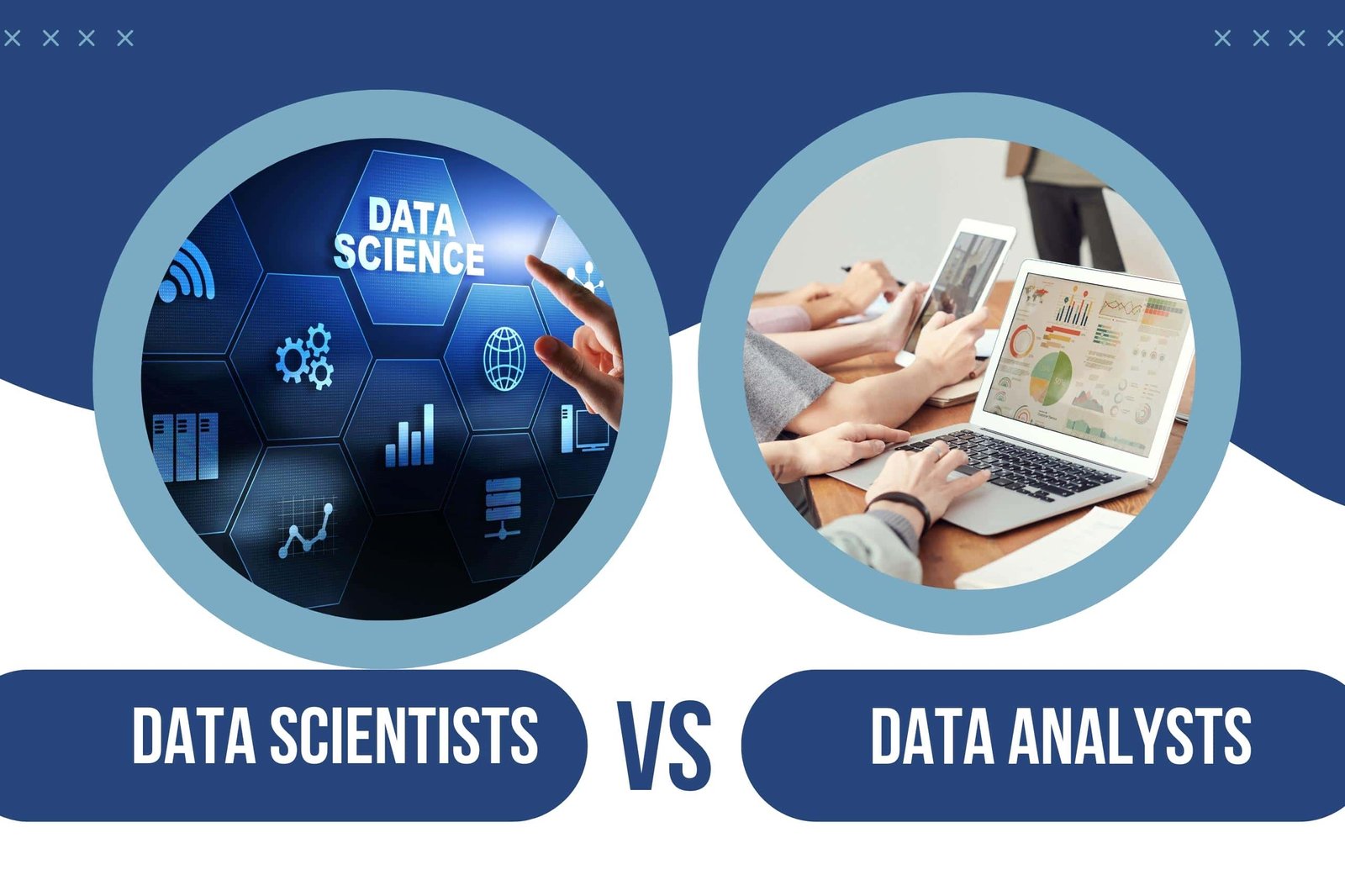
The Data analyst and Data scientist share quick a lot of similarities as both roles involve working with data to derive insights and make informed decisions, some of these similarities include:
- Data collection: Both data analysts and data scientists deal with data as a central aspect of their roles. They collect, clean, organize, and manipulate data to make it suitable for analysis.
- Visualization of data: Both roles use techniques to create visually appealing designs to present their findings effectively. Visualizations help in conveying insights and patterns discovered in the data to stakeholders clearly and understandably.
- Impact on business: Data analysts and data scientists both have a direct impact on business decisions and operations. They both help organizations make data-driven choices and optimize processes to achieve business objectives.
- Statistical Analysis: Data analysts and data scientists often use statistical methods in analyzing data and uncover meaningful patterns or relationships of data. They apply various statistical tests and measures to validate hypotheses and draw conclusions.
- Data Analyzing Tools and Technologies: While the specific tools and techniques they both use may differ, data analysts and data scientists both work with programming languages (such as Python and R), data manipulation libraries, and data visualization tools to perform their tasks.
- Collaboration: Data analysts and data scientists often collaborate with other goal-sharing team members, such as domain experts, business stakeholders, and data engineers, to ensure that data analysis aligns with business needs and goals.
- Data-focused Decision Making: Both roles contribute to data-focused decision-making processes within an organization. They provide valuable insights and recommendations based on data analysis to aid in making informed choices.
- Continuous Learning: In the ever-changing field of data science, both data analysts and data scientists need to stay up-to-date with the latest tools, techniques, and best practices to enhance their skills and knowledge.
Differences between the Data Analysts and Data Scientists
As much as Data Scientists and Data Analysts share similarities, some distinct differences can not be overlooked. The differences may occur in place of tools, skill sets, scope of work, goals, output, business impact, complexity, and so many more areas. Here are some of the major differences between a Data analyst and a data scientist:
- Data complexity: Data analysts typically deal with less complex problems and focus on providing insights for well-defined questions While Data scientists handle more complex and open-ended problems that require sophisticated analysis and modeling. They often explore data to uncover hidden patterns and relationships.
- Tools and Technologies Expertise: Data analysts may not require an in-depth understanding of advanced statistical methods or machine learning techniques, although they should have a good grasp of data manipulation and visualization While Data scientists need a strong foundation in statistical analysis, machine learning algorithms, and data modeling to develop and deploy predictive models effectively.
- Impact on business: Data analysts play a crucial role in supporting day-to-day operations, monitoring key performance indicators (KPIs), and improving efficiency within a business While Data scientists are more involved in strategic decision-making and long-term planning. They help identify growth opportunities, optimize business processes, and develop data-driven products or services.
- Goal Focus and Result: Data analysts focus on providing descriptive insights and reports that summarize past and current trends in data. Their work helps stakeholders understand the current state of affairs and make informed decisions based on data history While Data scientists focus on building predictive and prescriptive models to anticipate future outcomes and optimize processes. Their work involves developing machine learning models that can make predictions, classifications, and recommendations based on historical data.
- Work Specialization: Data analysts primarily focus on collecting, cleaning, organizing, and visualizing data to identify trends, patterns, and relationships. They work with structured data and use tools like Excel, SQL, and data visualization software to create reports and dashboards for business users While Data scientists have a broader scope of work that focuses on data analysis, but also building and deploying predictive models, performing statistical analysis, and often working with unstructured data. They use more advanced techniques, such as machine learning and statistical modeling, to make predictions, solve complex problems, and uncover insights that may not be immediately apparent.
In conclusion, the role of a Data Analyst and Data Scientist share similarities and differences, and it is important to understand these roles to make more informed decisions on your specialization (if you are looking to start a career in that field) or the service you may need (as an employer).
Also, remember, starting a career is based on your choice and passion. Choose a career you will enjoy doing every day without feeling unfulfilled or unsatisfied. Good Luck!!!
If you found this article informative and helpful, log on to Hubforjobs.com for more. Click here Hubforjobs
You can also connect with Hubforjobs on all their social media handles for more regular job updates.
Facebook: @Hubforjobsofficial
Instagram:@hubforjobs
Twitter: @hubforjobs
LinkedIn: @HubForJobs
Telegram: Hubforjobs
Job Description of a Data Analyst and How to Become One
Storekeeper Resume Template
Recent Post
-
-
 WorkFlowsHR: the best HR software in Nigeria July 25, 2024
 -
-