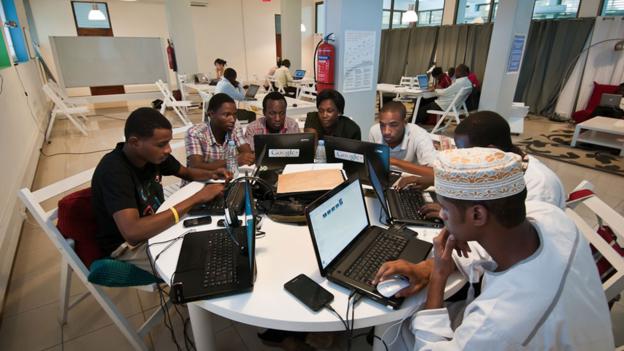
See How Entrepreneurship Is Playing a Huge Role in Solving Nigeria's Unemployment Problem

-
March 13, 2023
-
0 Comments
Entrepreneurship and unemployment are two critical issues that have significant implications on the economic development of Nigeria. Entrepreneurship is the process of creating and managing a new business venture. At the same time, unemployment refers to the situation where individuals who are willing and able to work cannot find suitable employment. Nigeria is facing a significant challenge with high levels of unemployment, especially among the youth, which negatively impacts economic growth, poverty reduction, and social stability. In this context, entrepreneurship is a potential solution to the problem of unemployment, as it can create job opportunities, promote economic growth, and drive innovation. However, entrepreneurs face several challenges in Nigeria, including access to finance, infrastructure, regulatory hurdles, and a demanding business environment.
Overview of unemployment among Nigerians
Unemployment is a significant issue in Nigeria, with a high unemployment rate among the population. According to the National Bureau of Statistics (NBS), Nigeria's unemployment rate stood at 33.3% in the fourth quarter of 2020, the highest it has been in the last 13 years. This means that approximately one in every three Nigerians is unemployed.
The unemployment problem in Nigeria is particularly severe among the youth population, with a youth unemployment rate of 42.5%. This has led to widespread poverty, social unrest, and insecurity.
Causes of Unemployment in Nigeria

Several factors contribute to the high rate of unemployment in Nigeria. These include:
- Slow Economic Growth: The slow economic growth in Nigeria has limited the availability of job opportunities.
- Poor Education: The low-quality education system in Nigeria has left many young people needing more skills to compete in the job market.
- Lack of Infrastructure: Poor infrastructure, including inadequate power supply, transportation, and communication systems, has made it difficult for businesses to operate effectively, limiting job opportunities.
- Government Policies: Inconsistent government policies have made it difficult for businesses to plan and invest in Nigeria, leading to a lack of job opportunities.
- Security Challenges: Ongoing security challenges in the country have discouraged investors, limiting job opportunities.
Unemployment remains a significant challenge in Nigeria, particularly among the youth population. Addressing the problem requires a concerted effort from the government, private sector, and civil society to create an enabling environment for job creation and economic growth.
Entrepreneurship and Unemployment in Nigeria
Entrepreneurship can be a solution to unemployment in Nigeria. Nigeria has a high unemployment rate, especially among the youth population. However, there is a growing trend of young people turning to entrepreneurship to create employment opportunities for themselves and others.
Entrepreneurship is creating and managing a business venture with the mind of making a profit. It involves identifying a need in the market, developing a product or service that meets that need, and building a business around it. Entrepreneurship can be a viable solution to unemployment in Nigeria because it offers individuals the potential to create jobs and employ others.
The Nigerian government has identified the importance of entrepreneurship in addressing unemployment and has launched several initiatives to support entrepreneurs. These include the Youth Entrepreneurship Support (YES) program, the YouWin program, and the Bank of Industry Youth Entrepreneurship Support (BOI YES) program. These initiatives provide funding, training, and other forms of support to help young people start and grow their businesses.
In addition to government support, there are also private-sector initiatives to support entrepreneurship in Nigeria. For example, several incubators and accelerators provide mentorship, training, and funding to start-ups. These include Co-Creation Hub (CcHUB), Ventures Platform, and LeadPath Nigeria.
However, despite the efforts to support entrepreneurship in Nigeria, challenges still need to be addressed. These include limited access to funding, lack of infrastructure, and inadequate regulatory environment. Addressing these issues will require a coordinated effort from the government, the private sector, and civil society.
In conclusion, entrepreneurship can be a solution to unemployment in Nigeria. However, to fully realize its potential, there is a need for more significant support for entrepreneurs and addressing their challenges. By doing so, entrepreneurship can become a powerful tool for economic growth and job creation in Nigeria.
What is the relationship between unemployment and entrepreneurship?
There is an inverse relationship between entrepreneurship and unemployment. This means that when unemployment is high, entrepreneurship tends to increase as people seek alternative means of generating income, creating jobs for themselves, and helping to reduce unemployment.
High unemployment can drive entrepreneurship as people who cannot find jobs seek alternative ways to make a living. This can lead to an increase in the number of new businesses being created, generating employment opportunities for others.
Entrepreneurship can also have a positive impact on reducing unemployment. When entrepreneurs start and grow their businesses, they create jobs for others. These jobs, such as suppliers, distributors, and service providers, can be direct or indirect.
Moreover, entrepreneurship can also help to reduce underemployment, where people have jobs that do not fully utilize their skills and education. By starting and running their businesses, entrepreneurs can create opportunities for people to use their skills and teach more effectively, leading to more fulfilling and well-paying jobs.
There is a relationship between unemployment and entrepreneurship, where high unemployment can drive entrepreneurship, and entrepreneurship can help to reduce unemployment. However, this complex relationship depends on many factors, such as the regulatory environment, access to funding, infrastructure, and markets.
How does entrepreneurship help to solve the unemployment problem in Nigeria?
Entrepreneurship is playing a significant role in solving Nigeria's unemployment problem. Nigeria has one of the highest unemployment rates in the world, with a youth unemployment rate of over 40%. This situation has led to widespread poverty, social unrest, and insecurity. However, entrepreneurship has emerged as a viable solution to this problem.
Here are some ways in which entrepreneurship is helping to solve Nigeria's unemployment problem:
Job Creation
One of the most significant benefits of entrepreneurship is that it creates jobs. By starting their businesses, entrepreneurs generate job opportunities for themselves and others. These businesses, in turn, contribute to the economy by generating income and taxes, which can be used to create additional jobs.
Innovation
Entrepreneurs are often at the forefront of innovation and constantly look for ways to improve products, services, and processes. This innovation can lead to the development of new industries and employment creation.
Empowerment
Entrepreneurship empowers individuals by giving them control over their lives. Individuals can create wealth, gain financial independence, and contribute to their communities by starting their businesses.
Skills Development
Entrepreneurship provides an opportunity for individuals to develop new skills and knowledge. By starting and running a business, individuals can gain valuable experience in marketing, finance, and management.
Economic Growth
Entrepreneurship can contribute to economic growth by creating new businesses and industries, increasing productivity, and promoting innovation. This growth can, in turn, lead to the creation of employment.
Reduced Reliance on Government
Entrepreneurship reduces the burden on the government to create jobs, as entrepreneurs build their employment opportunities and contribute to the economy through their businesses.
In all, entrepreneurship plays a crucial role in solving Nigeria's unemployment problem. It creates jobs, promotes innovation, empowers individuals, develops new skills, and contributes to economic growth. However, more must be done to encourage and support entrepreneurship in Nigeria. The government, private sector, and civil society must work together to create an enabling environment for entrepreneurship to thrive.
How does entrepreneurship help in generating employment opportunities in Nigeria?

Entrepreneurship is an effective way to generate employment opportunities because it creates new businesses that require employees to operate. Here are some ways in which entrepreneurship helps in developing employment opportunities:
- Starting New Businesses: Entrepreneurs start new businesses that require employees to operate. As companies grow, they must hire more employees to meet demand and expand their operations.
- Developing New Industries: Entrepreneurs are often at the forefront of developing new industries, such as technology or renewable energy. These new industries create job opportunities for individuals with the skills and knowledge required to operate in these fields.
- Encouraging Innovation: Entrepreneurs are often innovative, developing new products and services that require employees to design, develop, market, and distribute. This promotes the growth of new industries and creates new job opportunities.
- Contributing to Economic Growth: Entrepreneurship contributes to economic growth by increasing productivity and creating new businesses and industries. This growth creates more job opportunities.
- Supporting Small Businesses: Entrepreneurship supports small businesses, a significant source of employment opportunities. Small businesses often require less capital, making them accessible to more individuals, including those who may have difficulty accessing traditional employment opportunities.
- Promoting Self-Employment: Entrepreneurship promotes self-employment, allowing individuals to create employment opportunities and become financially independent.
Overall, entrepreneurship generates employment opportunities by creating new businesses, developing new industries, encouraging innovation, contributing to economic growth, supporting small businesses, and promoting self-employment. Encouraging and supporting entrepreneurship is crucial for addressing unemployment and promoting sustainable economic development.
Is entrepreneurship the solution to unemployment in Nigeria?
Entrepreneurship can be part of the solution to unemployment in Nigeria, but it is not a silver bullet. While entrepreneurship has the potential to create jobs and contribute to economic growth, it is only guaranteed to solve Nigeria's unemployment problem partially.
Entrepreneurship can create employment opportunities by creating new businesses, expanding existing ones, and introducing innovative products and services. This can lead to the developing of new industries and sectors, which can create jobs in different parts of the country.
Moreover, entrepreneurship can also help address the underemployment problem in Nigeria. Underemployment is a situation where people are employed, but their jobs must fully utilize their skills and education. Entrepreneurship can provide opportunities for people to use their skills and education to start and run their businesses, leading to more fulfilling and well-paying jobs.
However, there are limitations to what entrepreneurship can achieve in addressing unemployment in Nigeria. The government must create an enabling environment for entrepreneurship to thrive. This includes building access to funding, improving infrastructure, providing market access, and addressing the regulatory environment's challenges. Furthermore, entrepreneurship cannot solve unemployment caused by macroeconomic challenges such as inflation, poor economic policies, and low economic growth.
Finally, entrepreneurship can be part of the solution to unemployment in Nigeria. Still, it requires concerted government, private sector, and civil society efforts to create an enabling environment for entrepreneurship to thrive. Moreover, entrepreneurship can only solve some unemployment challenges in Nigeria, and there is a need for a more comprehensive approach to addressing the unemployment problem in the country.
What challenges do entrepreneurs face in Nigeria in the bid to solve unemployment?

Entrepreneurs in Nigeria face several challenges in their efforts to solve unemployment. These challenges include:
- Limited access to funding: Access to finance is a significant challenge for entrepreneurs in Nigeria. Most entrepreneurs need help to obtain start-up capital, which limits their ability to create jobs and grow their businesses. The lack of access to funding is partly due to the high-interest rates charged by banks and the country's limited availability of venture capital.
- Inadequate infrastructure: Poor infrastructure, such as unreliable electricity supply, bad roads, and insufficient water supply, makes it difficult for entrepreneurs to run their businesses efficiently. This can increase the cost of doing business and limit the ability of entrepreneurs to scale their businesses.
- Inadequate regulatory environment: The regulatory environment in Nigeria is complex, which can be challenging for entrepreneurs to navigate. This complexity can lead to delays in obtaining permits and licenses, and the lack of clear regulations can create uncertainty and discourage investment.
- Access to markets: Entrepreneurs in Nigeria also need more access to markets. This is partly due to the need for a well-developed supply chain, which makes it difficult for entrepreneurs to source raw materials and distribute their products. Additionally, there are few export opportunities, which limits the ability of entrepreneurs to access international markets.
- Lack of entrepreneurial skills: Many entrepreneurs in Nigeria need more entrepreneurial skills to start and run successful businesses. This can limit their ability to grow their businesses and create jobs.
- Security challenges: Nigeria has faced significant security challenges, such as terrorism and kidnapping, which can discourage investment and limit the ability of entrepreneurs to operate in some areas of the country.
In summary, while entrepreneurship offers a potential solution to unemployment in Nigeria, entrepreneurs face significant challenges, including limited access to funding, inadequate infrastructure, an inadequate regulatory environment, limited market access, lack of entrepreneurial skills, and security challenges. Addressing these challenges will require a coordinated effort from the government, the private sector, and civil society.
Final words on entrepreneurship and unemployment in Nigeria
Entrepreneurship has the potential to address unemployment in Nigeria by creating job opportunities and promoting economic growth. However, there are several challenges to entrepreneurship in Nigeria, such as limited access to funding, inadequate infrastructure, and a complex business environment. Despite these challenges, there are success stories of Nigerian entrepreneurs who have overcome these obstacles and achieved remarkable success. Therefore, while entrepreneurship may not be a silver bullet for unemployment in Nigeria, it can be a powerful tool to create jobs and generate economic growth if the right policies and support systems are implemented.
Dangote Nigeria Plc - Company overview, culture, and more.
How to Stay Visible and Successfully Navigate the Unlevel Playing Field of Remote Work
Recent Post
-
-
 WorkFlowsHR: the best HR software in Nigeria July 25, 2024
 -
-