Sales and Marketing Plan Template

-
March 09, 2023
-
0 Comments
Developing a comprehensive sales and marketing plan is essential for any business looking to achieve its growth and revenue objectives. This plan serves as a roadmap for sales and marketing teams, outlining their goals, strategies, and tactics for reaching their target audience and driving revenue. Creating a sales and marketing plan can be daunting, but having a well-structured template can help streamline the process and ensure that all essential elements are included. This template provides a framework for businesses to create customized sales and marketing plans, including sections on the target market, sales objectives, marketing strategies, budgeting, and performance metrics. By utilizing this template, businesses can develop a robust and effective sales and marketing plan to drive revenue and help them achieve their business objectives.
What is a Sales Plan?
A sales plan is a strategic document that outlines a company's sales team's objectives, goals, and tactics to achieve specific targets over a given period. It is a roadmap that guides the sales team on selling products or services, reaching target customers, generating leads, and closing deals.
The plan usually includes information about the company's target market, sales objectives, strategies, tactics, and key performance indicators (KPIs) to track progress toward meeting the goals. It may also include details on the sales team's structure, roles, responsibilities, and the resources they need to achieve their targets.
The sales plan is essential to a company's overall business plan. It helps to align sales efforts with the company's objectives and identify potential risks and opportunities in the market. It also serves as a communication tool to share the sales team's plans and progress with other departments in the company.
How to write a Sales Plan
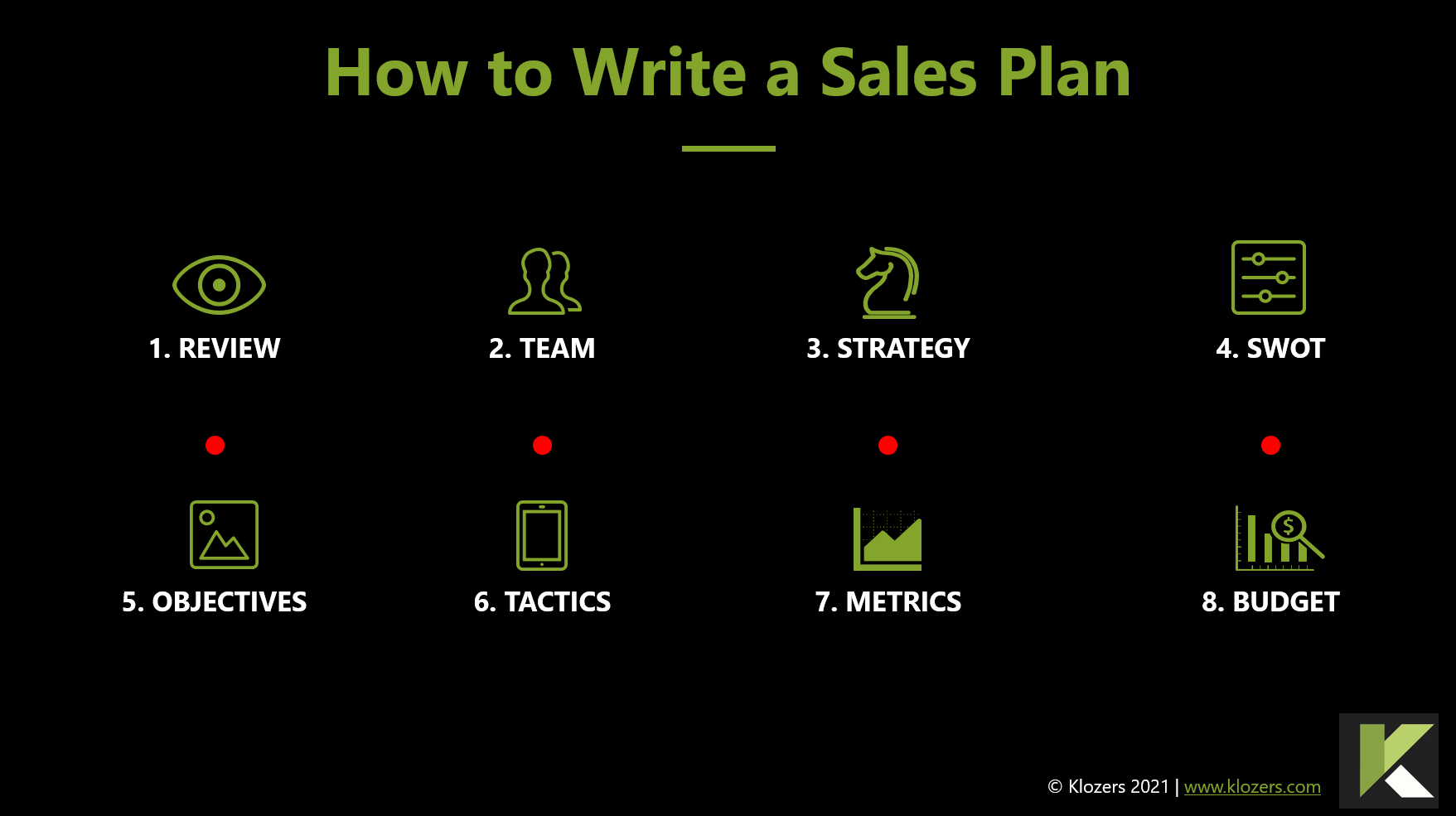
Here are some steps to follow when writing a sales plan:
- Define your sales objectives: The first step is to define the specific sales goals you want to achieve within a certain timeframe. This could be revenue targets, number of customers, or sales volumes.
- Understand your target market: Identify the needs and preferences of your target customers, including their demographics, behaviors, and purchasing patterns. This will help you develop a targeted sales strategy relevant to your potential customers.
- Develop your sales strategy: Based on your sales objectives and target market research, determine your sales strategy to achieve your goals. This may include marketing and advertising efforts, sales promotions, pricing strategies, etc.
- Identify your sales tactics: Determine the specific tactics and activities that your sales team will use to achieve your sales objectives. This may include cold calling, networking events, webinars, email campaigns, etc.
- Set your sales budget: Determine the resources and funding needed to execute your sales plan. This may include personnel costs, marketing expenses, sales tools, etc.
- Define your sales team roles and responsibilities: Identify the roles and responsibilities of each member of your sales team, including sales quotas, targets, and KPIs.
- Establish your sales metrics: Set the metrics that will measure the success of your sales plan. This may include revenue, customer acquisition, conversion rates, and customer satisfaction.
- Review and revise your sales plan regularly: Your sales plan should be a living document that is reviewed and revised regularly based on feedback and results.
By following these steps, you can create a comprehensive sales plan that will guide your sales team to achieve your sales goals and objectives.
What is a Marketing Plan?
A marketing plan is a detailed document that highlights a company's overall marketing strategy and tactics to achieve specific business goals. It serves as a roadmap for a company's marketing activities, detailing how it plans to promote its products or services, communicate with customers, and generate leads and sales.
The plan typically includes an analysis of the market, target audience, and competition and a detailed plan for the company's marketing mix - the 4 Ps: product, price, place, and promotion.
What are the 4Ps of Marketing?
The 4Ps of marketing, or the marketing mix, are the four key elements businesses use to develop effective marketing strategies. They are:
- Product: The first P refers to the product or service offered. This includes the product's design, features, packaging, and branding.
- Price: The second P refers to the pricing strategy of the product or service. This includes setting the right price to attract customers while generating a profit for the business.
- Place: The third P refers to the distribution strategy of the product or service. This includes determining the most effective channels for distributing the product or service to the target market.
- Promotion: The fourth P refers to the promotional strategy of the product or service. This includes advertising, sales promotion, personal selling, public relations, and other ways of creating awareness and interest in the product or service.
How to create a Marketing Plan
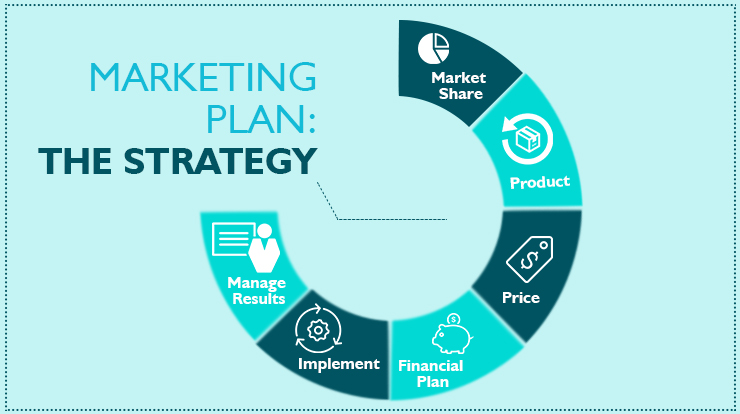
Creating a marketing plan is essential in developing a successful marketing strategy. Here are the steps you can follow to create a marketing plan:
- Define your goals: Start by defining your overall business goals and objectives, then identify the specific marketing goals you want to achieve. Your marketing goals should align with your total business goals.
- Know your target audience: Conduct market research to understand your target audience. Identify their demographics, interests, and behavior patterns to create a buyer persona.
- Analyze your competition: Identify your direct and indirect competitors, understand their marketing strategies, and analyze their strengths and weaknesses.
- Develop your unique value proposition (UVP): Define your UVP, a clear statement describing the unique benefit your product or service provides to your target audience.
- Develop your marketing mix: Use the 4Ps of marketing (product, price, place, and promotion) to develop your marketing mix. Define your product or service, pricing strategy, distribution channels, and promotional tactics.
- Set your budget: Determine your marketing budget, and allocate resources to specific marketing initiatives.
- Develop your action plan: Create a detailed plan with specific tasks, deadlines, and responsible team members.
- Measure and adjust: Continuously measure the success of your marketing plan, and adjust your strategies as needed to optimize performance and achieve your goals.
By following these steps, you can create a comprehensive marketing plan that aligns with your business goals and helps you succeed in your target market.
What is the importance of a sales and marketing plan?
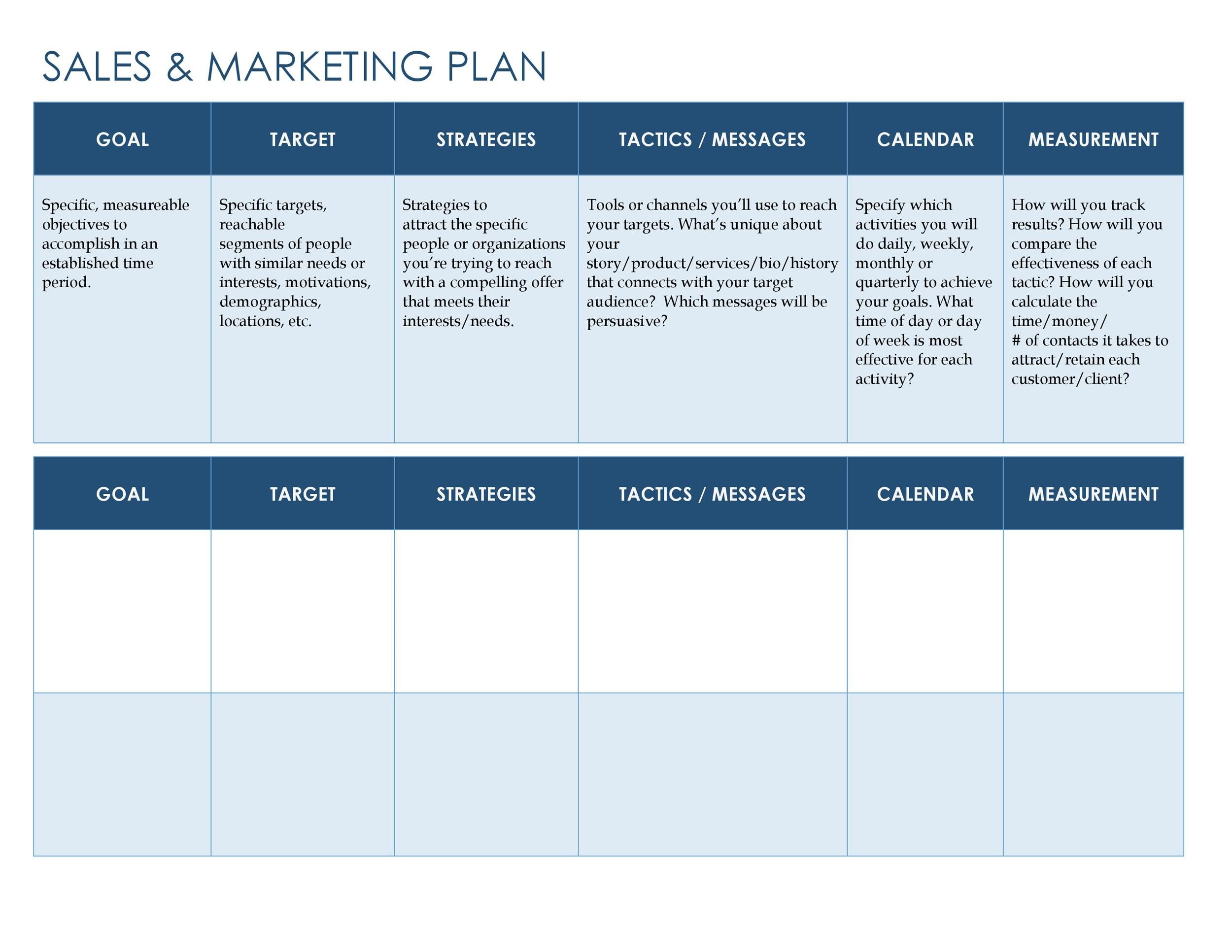
A sales and marketing plan is essential for any business, regardless of size or industry. Here are some reasons why:
- Defines Goals and Objectives: A sales and marketing plan helps a business to define its goals and objectives for a specific period. It sets targets that the sales and marketing team should achieve to support the overall business objectives.
- Increases Sales: A well-crafted sales and marketing plan helps to increase sales. It identifies target customers, outlines strategies for reaching them, and outlines the messaging that will resonate with them.
- Improves Customer Retention: A good sales and marketing plan helps a business retain existing customers. It outlines strategies to keep customers engaged and informed and identifies opportunities for upselling and cross-selling.
- Improves ROI: By outlining a clear sales and marketing strategy, a business can invest in the proper channels and tactics to improve its marketing spending return on investment (ROI).
- Provides Accountability: A sales and marketing plan provides a framework for measuring success and holding team members accountable for achieving goals. It helps to track progress, adjust strategies as needed, and evaluate the effectiveness of different tactics.
A sales and marketing plan is crucial for any business looking to grow and succeed. It provides a roadmap for achieving business objectives, increasing sales, retaining customers, and improving ROI.
What should be included in a sales and marketing plan?
A sales and marketing plan typically includes the following components:
- Business Goals and Objectives: Define the overall business goals and objectives the sales and marketing plan aims to achieve.
- Target Audience: Identify the specific target audience the sales and marketing plan will target.
- Competitive Analysis: Analyze the competition and identify its strengths and weaknesses.
- Unique Selling Proposition (USP): Define the unique selling proposition of the product or service and highlight how it differentiates from the competition.
- Marketing Mix: Define the product, price, promotion, and place (distribution) strategies.
- Sales Strategies: Develop sales strategies, including sales objectives, sales channels, and sales tactics.
- Budget and Timeline: Define the budget and timeline for executing the sales and marketing plan.
- Performance Metrics: Identify key performance metrics to track the success of the sales and marketing plan.
- Sales Forecast: Forecast sales volumes and revenue based on the sales and marketing plan.
- Implementation Plan: Develop an implementation plan that outlines the specific activities and responsibilities required to execute the sales and marketing plan.
What should be included in a Sales plan?
A sales plan typically includes the following components:
- Sales Objectives: Define the specific sales objectives the project aims to achieve. These objectives should be SMART (specific, measurable, achievable, relevant, and time-bound).
- Sales Strategy: Develop a sales strategy that outlines the approach for achieving the sales objectives. This should include a clear understanding of the target audience and the sales process.
- Sales Tactics: Develop specific sales tactics that will be used to achieve the sales objectives. These tactics could include lead generation, qualification, sales presentations, negotiations, and closing techniques.
- Sales Team: Define the sales team's structure, including each member's roles and responsibilities. This should also include any necessary training and development programs for the team.
- Sales Forecast: Forecast sales volumes and revenue based on the sales plan. This should be based on clearly understanding the market and the sales pipeline.
- Sales Budget: Define the budget required to execute the sales plan. This should include any necessary resources, such as sales tools and technology.
- Sales Performance Metrics: Identify key performance metrics to track the success of the sales plan. These metrics could include lead conversion rates, sales cycle length, average deal size, and customer acquisition cost.
- Sales Timeline: Develop a timeline for executing the sales plan. This should include milestones and deadlines for each stage of the sales process.
- Sales Risk Management: Identify potential risks and challenges that could impact the success of the sales plan. Develop contingency plans to mitigate these risks.
- Sales Evaluation: Regularly evaluate the performance of the sales plan against the defined objectives and adjust the plan as necessary.
What should be included in a Marketing plan?
A marketing plan typically includes the following components:
Executive Summary: A summary of the critical elements of the marketing plan, including the business goals, target audience, unique selling proposition, and marketing strategies.
- Situation Analysis: An analysis of the current market situation, including an assessment of the competition, industry trends, and customer behavior.
- Target Audience: A clear definition of the target audience, including demographic and psychographic characteristics and buying behavior and preferences.
- Unique Selling Proposition (USP): A clear and concise statement that outlines the unique features and benefits of the product or service and how it differentiates from the competition.
- Marketing Mix: A detailed description of the product, price, promotion, and place (distribution) strategies that will be used to reach the target audience and achieve the business goals.
- Marketing Channels: A list of the marketing channels that will be used to compare the target audience, such as advertising, public relations, direct marketing, and digital marketing.
- Budget and Timeline: Clearly define the marketing budget and timeline for executing the marketing plan.
- Performance Metrics: A list of key performance metrics that will be used to track the success of the marketing plan, such as website traffic, lead generation, conversion rates, and customer acquisition cost.
- Implementation Plan: A detailed plan outlining the activities and responsibilities required to execute the marketing plan.
- Evaluation and Control: A strategy for evaluating the performance of the marketing plan against the defined objectives and making adjustments as necessary. This should include a timeline for regular performance reviews and a process for making changes to the program as needed.
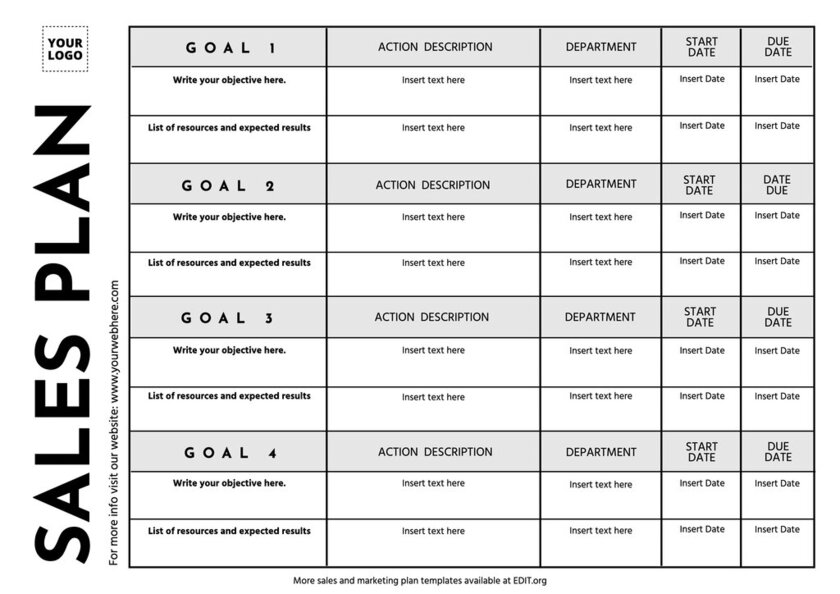
Sales Plan Template
These are some sales plan template that you can use to create yours:


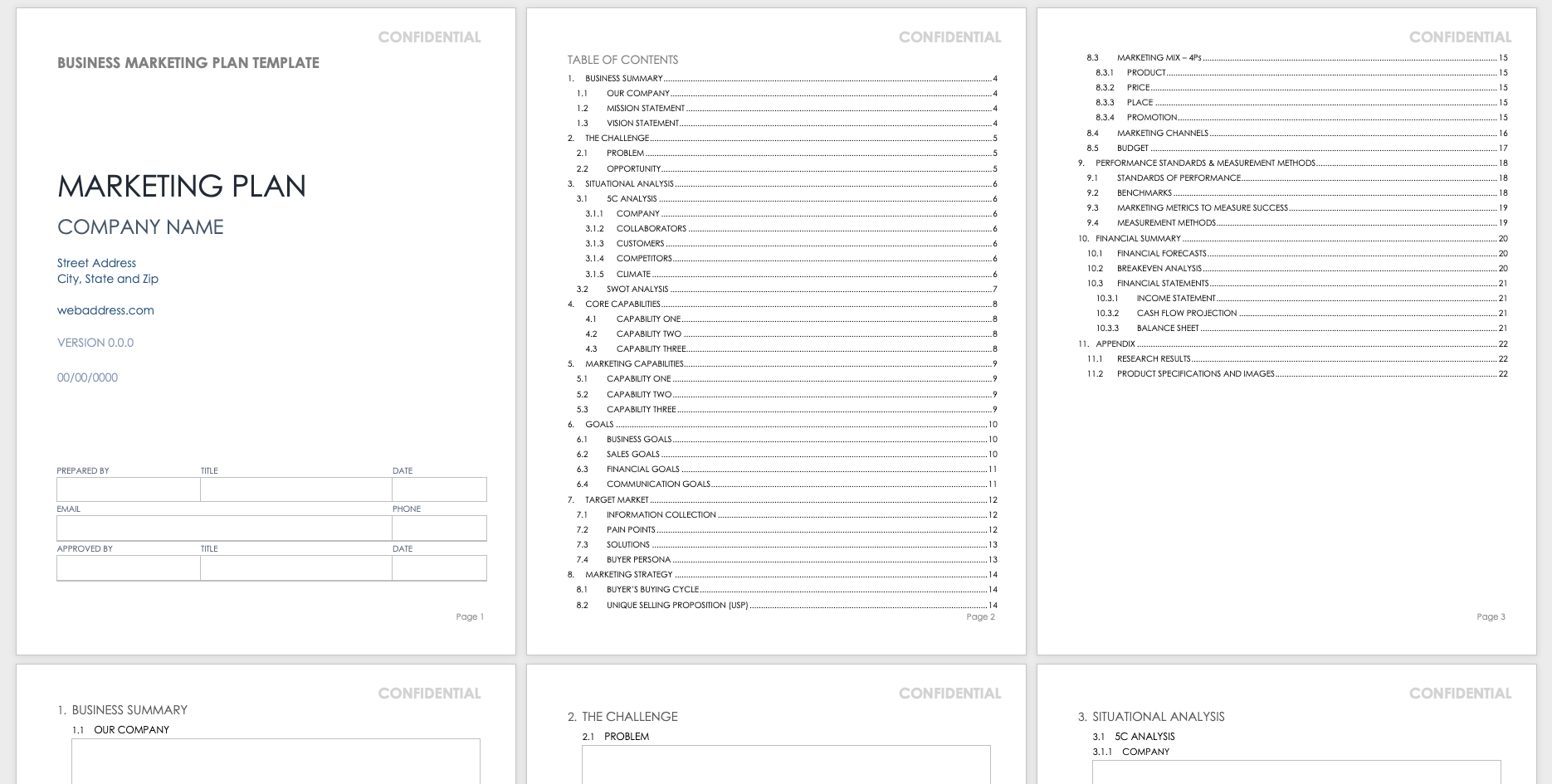
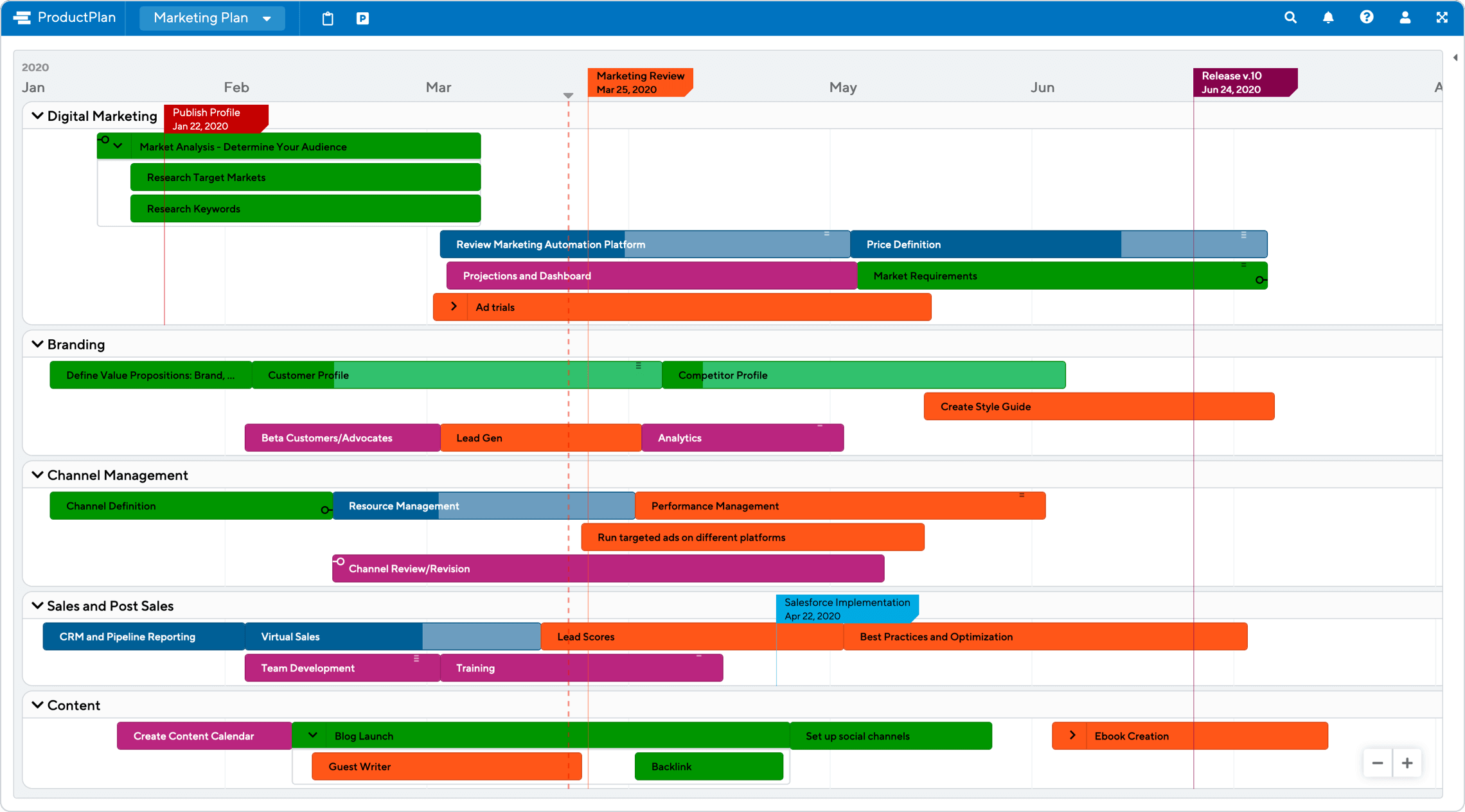
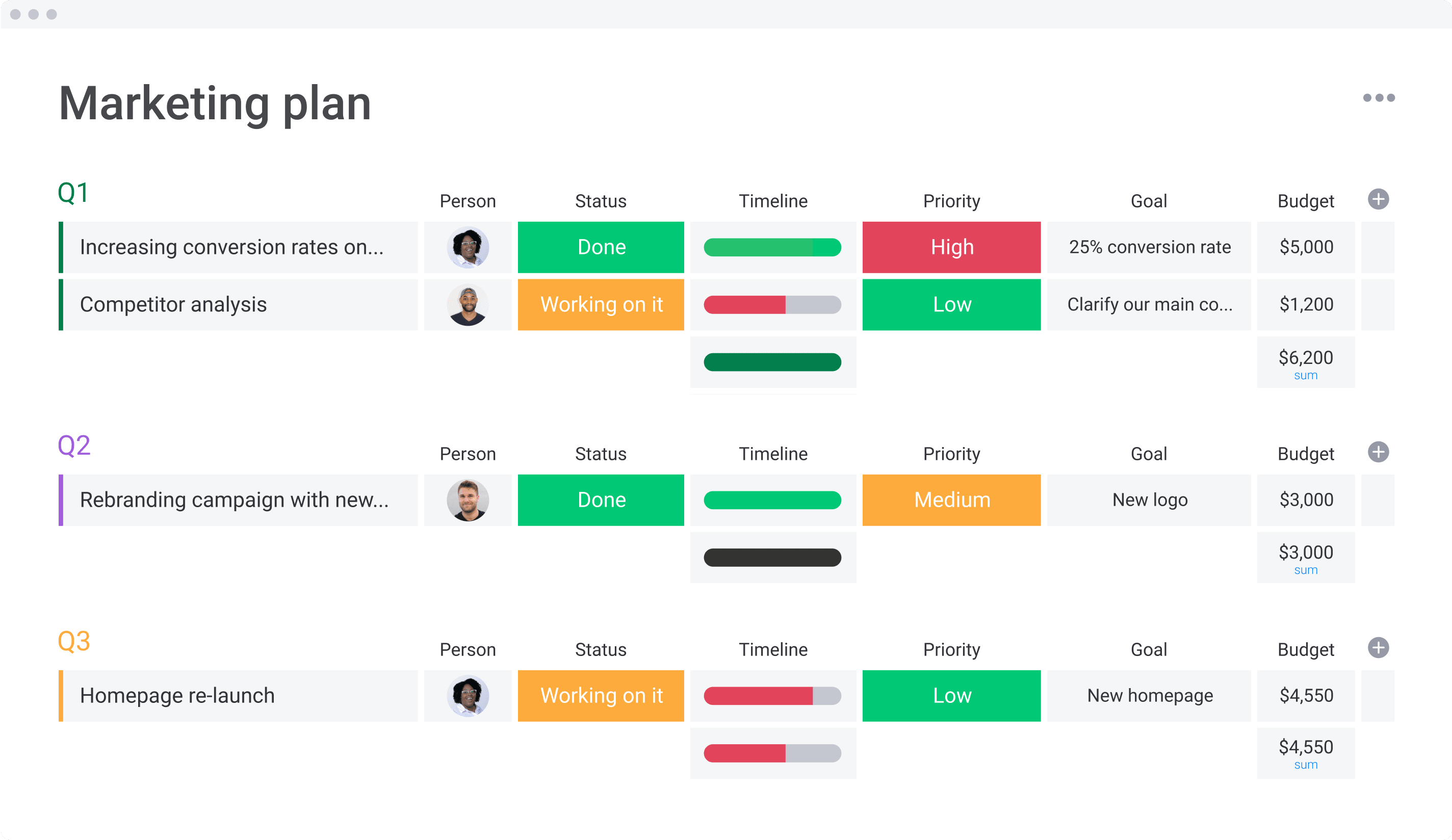
Marketing Plan Template
These are some marketing plan template that you can use to create yours:
Final words on Sales and Marketing Plan Template
In conclusion, a sales and marketing plan is vital for any business looking to advance and succeed. Following the above template, you can develop a comprehensive strategy that aligns with your business goals, identifies your target market, outlines your marketing and sales strategies, sets a budget and timeline, and establishes metrics for measuring success.
Remember that your plan should be a living document you revisit and regularly adjust to stay relevant and practical. With a well-crafted sales and marketing plan, you can increase brand awareness, generate leads, and convert prospects into loyal customers.
2024 Digital marketing trends marketers need to know
Seplat CEO Got His Visa Revoked By the Nigerian Government for Alleged Racism
Recent Post
-
-
 WorkFlowsHR: the best HR software in Nigeria July 25, 2024
 -
-