Job Description of a Bio-Engineer and How to Become One

-
July 19, 2023
-
0 Comments
Have you ever wondered who a bio-engineer is and what they do? Or Are you looking to start a career as a bio-engineer and you are wondering what it entails and how to become one? Then, you are at the right place. A bio-engineer is also popularly known as a biomedical engineer, they are engineers who specialize in developing solutions and technologies that improve human health and healthcare. Join us as we provide clarification to the above-mentioned questions by explaining who a bio-engineer is, what a bio-engineer does, the job description of a bio-engineer, and how to become a bio-engineer.
Who is a Bio-Engineer?
As the name implies, A bioengineer, also known as a biomedical engineer or bio-medical engineer, is a professional individual who specializes in applying engineering principles to the field of biology and medicine. They use their expertise in engineering sciences and techniques to design, develop, build, and improve technologies that can provide solutions to various medical and healthcare challenges whole enhancing human health and lifestyles. Bioengineers work at the intersection of engineering, biology, and medicine, they collaborate with healthcare professionals, scientists, and other engineers to create innovative medical devices, diagnostic tools, and therapies to improve patient care, enhance medical procedures, and advance our understanding of biological systems. The field of bioengineering is constantly evolving with responsibilities of creating new healthcare technologies therefore, bioengineers are required to constantly evolve with new knowledge, trends, and information about healthcare and technologies.
Job Description of a Bio-Engineer
The following are the expected responsibilities of a bio-engineer:
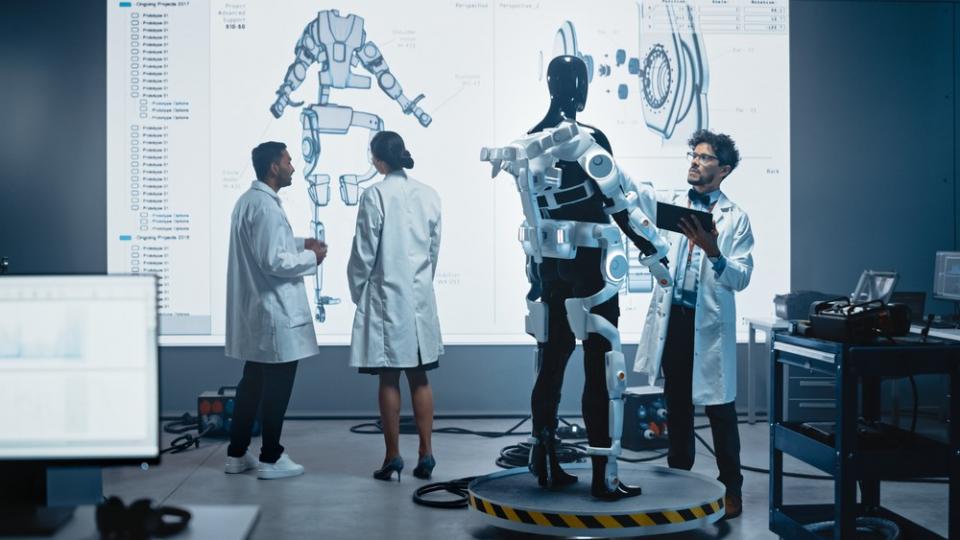
- Biomedical engineers are tasked with the responsibility of researching to understand biological systems and new development in healthcare and find innovative solutions to medical challenges.
- They design and create prototypes of medical devices and instruments to test their functionality and safety for use
- Bioengineers develop and improve medical imaging technologies, such as MRI, CT scans, and ultrasound for more accuracy and solution to medical challenges
- They are in charge of developing and testing materials that are compatible with biological systems for use in medical applications.
- They collaborate with other professional healthcare providers and technology experts to design and build innovative medical machinery or equipment.
- Bioengineers are also responsible for designing and building systems that can efficiently deliver drugs to specific targets in the body.
- They analyze and evaluate the mechanics of human movement and design prosthetics or orthotics to assist individuals with disabilities.
- Biomedical engineers are also in charge of creating artificial organs, tissues, and scaffolds to aid in regenerative medicine and the testing of machinery or equipment.
How to Become a Bio-Engineer
Becoming a bio-engineer is an achievable dream and a very rewarding career that assists with saving the lives of people and improving the overall health of individuals. Let us take a look at steps you can take to become a bio-engineer
- Obtain a Bachelor’s degree from a reputable or recognized institution in related fields such as biomedical engineering, Electrical and electronic engineering, Chemical engineering, Mechanical engineering, and so on
- Get the one-year mandatory NYSC (National Youth Service Corps) certification if you want to practice in Nigeria
- Get professional certifications and training
- Acquire experience by getting an internship or volunteering
- Continuous learning and staying up-to-date with trends and information on biomedical engineering is Vital.
If you found this article informative and helpful, log on to Hubforjobs.com for more. Click here Hubforjobs
You can also connect with Hubforjobs on all their social media handles for more regular job updates.
Facebook: @Hubforjobsofficial
Instagram:@hubforjobs
Twitter: @hubforjobs
LinkedIn: @HubForJobs
Telegram: Hubforjobs
Restaurant Manager Resume Template
Driver Resume Template
Recent Post
-
-
 WorkFlowsHR: the best HR software in Nigeria July 25, 2024
 -
-