Job Description and Responsibilities of a Privacy Officer
-
November 15, 2023
-
0 Comments
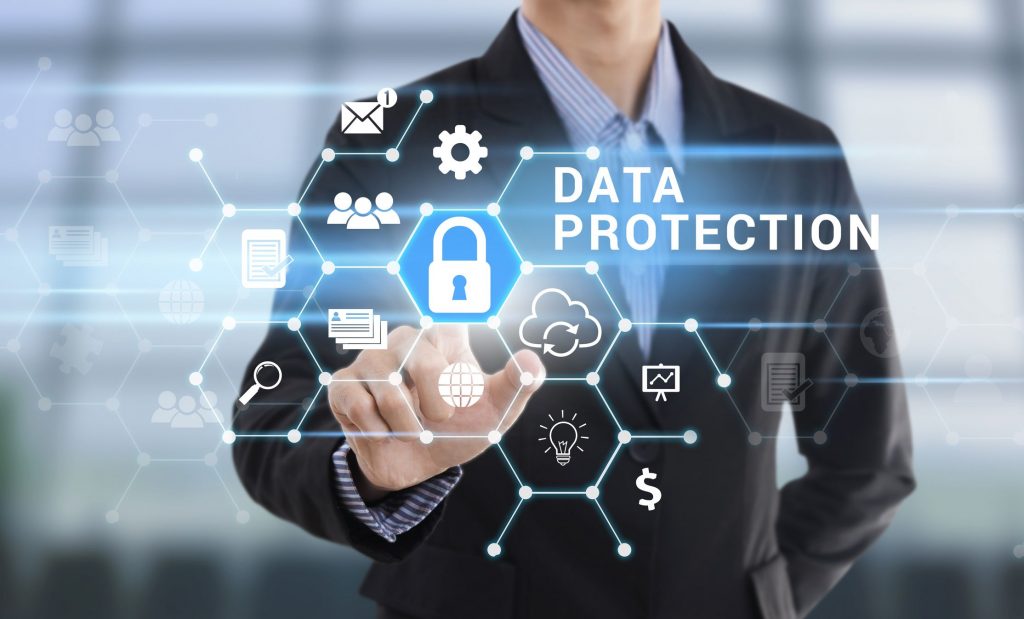
Data privacy and protection are of utmost importance in every organization that is increasingly recognizing the need for a dedicated privacy officer. A privacy officer, also known as a data protection officer or privacy compliance officer, is an individual appointed by an organization to oversee privacy-related matters. A privacy officer is responsible for ensuring compliance with privacy laws and regulations, safeguarding sensitive information, and upholding the privacy rights of individuals. This article aims to provide an overview of the job description and responsibilities of a privacy officer.
The Job Description/responsibility of a Privacy Officer
A privacy officer is expected to do the following job description to maintain policies and procedures that protect the personal information of customers, employees, and other stakeholders.
Ensuring Compliance
One of the primary responsibilities of a privacy officer is to ensure that the organization complies with relevant privacy laws and regulations. They stay up-to-date with evolving privacy legislation and make necessary adjustments to policies and practices to ensure compliance.
Developing Privacy Policies
Privacy officers develop and implement privacy policies and procedures that align with legal requirements and industry best practices. These policies may cover areas such as data collection, data storage, data sharing, data retention, and data breach response.
Conducting Privacy Impact Assessments
Privacy officers assess the potential risks and impacts of new projects, systems, or processes on individuals' privacy rights. They evaluate privacy risks, recommend mitigation strategies, and ensure that privacy considerations are integrated into the organization's decision-making processes.
Employee Training
A privacy officer plays a key role in educating employees about privacy policies, procedures, and best practices. They conduct training programs to raise awareness about data protection, privacy rights, and the importance of safeguarding sensitive information.
Data Subject Requests
Privacy officers handle requests from individuals to access, correct, or delete their personal data held by the organization. They ensure that appropriate processes are in place to respond to these requests within the required timeframes and in accordance with applicable laws.
Monitoring and Auditing
Privacy officers continuously monitor the organization's privacy practices to identify areas that require improvement. They conduct privacy audits, assess the effectiveness of privacy controls, and recommend necessary changes to enhance privacy protection.
Incident Response and Breach Management
In the event of a data breach or privacy incident, privacy officers lead the organization's response efforts. They coordinate with relevant stakeholders, investigate the incident, mitigate its impact, and ensure compliance with legal requirements, such as notifying affected individuals or regulatory authorities, if necessary.
Pathways to Becoming a Privacy Officer
To become a privacy officer, Here are a few steps to consider.
Education and Knowledge
Obtaining a solid educational foundation is crucial for aspiring privacy officers. While there is no specific degree requirement, pursuing a bachelor's or master's degree in fields such as law, information technology, or privacy management can provide a strong background in privacy principles, regulations, and best practices. Relevant coursework may cover topics such as data protection laws, cybersecurity, ethics, and risk management.
Professional Certifications
Gaining industry-recognized certifications can enhance credibility and demonstrate expertise in privacy management. Certifications such as Certified Information Privacy Professional (CIPP) offered by the International Association of Privacy Professionals (IAPP) and Certified Information Privacy Manager (CIPM) can provide a comprehensive understanding of privacy laws, practices, and frameworks.
Privacy Law and Regulations
A deep understanding of privacy laws and regulations is essential for a privacy officer. Familiarize yourself with global privacy frameworks, such as the General Data Protection Regulation (GDPR) in the European Union, the California Consumer Privacy Act (CCPA) in the United States, and other jurisdiction-specific data protection laws. Stay updated on evolving privacy legislation to ensure compliance within your organization.
Experience in Privacy Management
Gaining practical experience in privacy management is crucial for aspiring privacy officers. Seek opportunities within organizations or consultancies that specialize in privacy or data protection. This experience can involve tasks such as developing and implementing privacy policies, conducting privacy impact assessments, managing data subject requests, and overseeing incident response and breach management.
Continuous Learning and Professional Development
Privacy is a rapidly evolving field, and staying up-to-date with the latest trends, regulations, and best practices is essential for a privacy officer. Engage in continuous learning through attending privacy conferences, webinars, and workshops. Joining professional associations, such as the IAPP, can provide access to resources, networking opportunities, and industry updates.
Strong Communication and Interpersonal Skills
Effective communication and interpersonal skills are vital for privacy officers. As a privacy officer, you will need to collaborate with various stakeholders, communicate privacy policies and procedures to employees, and handle data subject requests and privacy inquiries. Strong communication skills, both written and verbal, will help you effectively convey complex privacy concepts to diverse audiences.
If you found this article informative and helpful, log on to Hubforjobs.com for more. Click here Hubforjobs
You can also connect with Hubforjobs on all their social media handles for more regular job updates.
Facebook: @Hubforjobsofficial
Instagram:@hubforjobs
Twitter: @hubforjobs
LinkedIn: @HubForJobs
Telegram: Hubforjobs
Who is a corporate communications Specialist?
Unconventional Tips for all Content Creators
Recent Post
-
-
 WorkFlowsHR: the best HR software in Nigeria July 25, 2024
 -
-